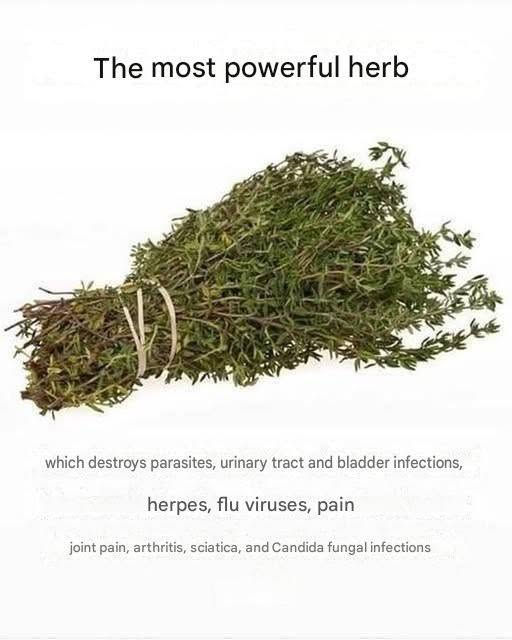
The headline “The Most Powerful Herb That Destroys Parasites, Urinary Tract and Bladder Infections, Herpes and Flu Viruses” is not supported by scientific evidence. There is no single herb proven to safely and effectively treat all of these very different conditions.
Here’s what the evidence shows:
- Parasites: Different parasites require different treatments. Prescription antiparasitic medications are often needed, and the right one depends on the specific parasite.
- Urinary tract infections (UTIs): Most bacterial UTIs require antibiotics. Delaying treatment can allow the infection to spread to the kidneys.
- Herpes (HSV): There is currently no herb that eliminates herpes from the body. Antiviral medications such as acyclovir, valacyclovir, and famciclovir can shorten outbreaks and reduce transmission.
- Influenza (flu): Influenza is caused by viruses. Antiviral medications can help if started early in some people, while herbs have not been shown to cure the flu.
Herbs commonly mentioned in these claims
Some herbs have been studied for limited effects, but none are proven to do everything the headline claims:
- Garlic: Has antimicrobial activity in laboratory studies, but evidence for treating infections in people is limited.
- Oregano oil: Shows antimicrobial effects in the lab, but there is insufficient evidence that it treats infections in humans.
- Echinacea: May slightly reduce the duration of some colds in some people, but results are inconsistent.
- Cranberry: May help reduce the risk of recurrent UTIs in some individuals, but it does not reliably treat an active UTI.
- Wormwood or black walnut: Sometimes promoted for parasites, but they can have significant side effects and are not substitutes for prescribed antiparasitic medications.
When to seek medical care
- UTI: Fever, back pain, vomiting, or symptoms lasting more than a day or two warrant medical evaluation.
- Herpes: Severe, frequent, or first-time outbreaks should be assessed by a healthcare professional.
- Flu: Seek prompt care if you have trouble breathing, chest pain, confusion, or if you’re at high risk for complications.
If you saw this claim about a specific herb, tell me its name, and I can explain what research says about its benefits, risks, and interactions with medications.
