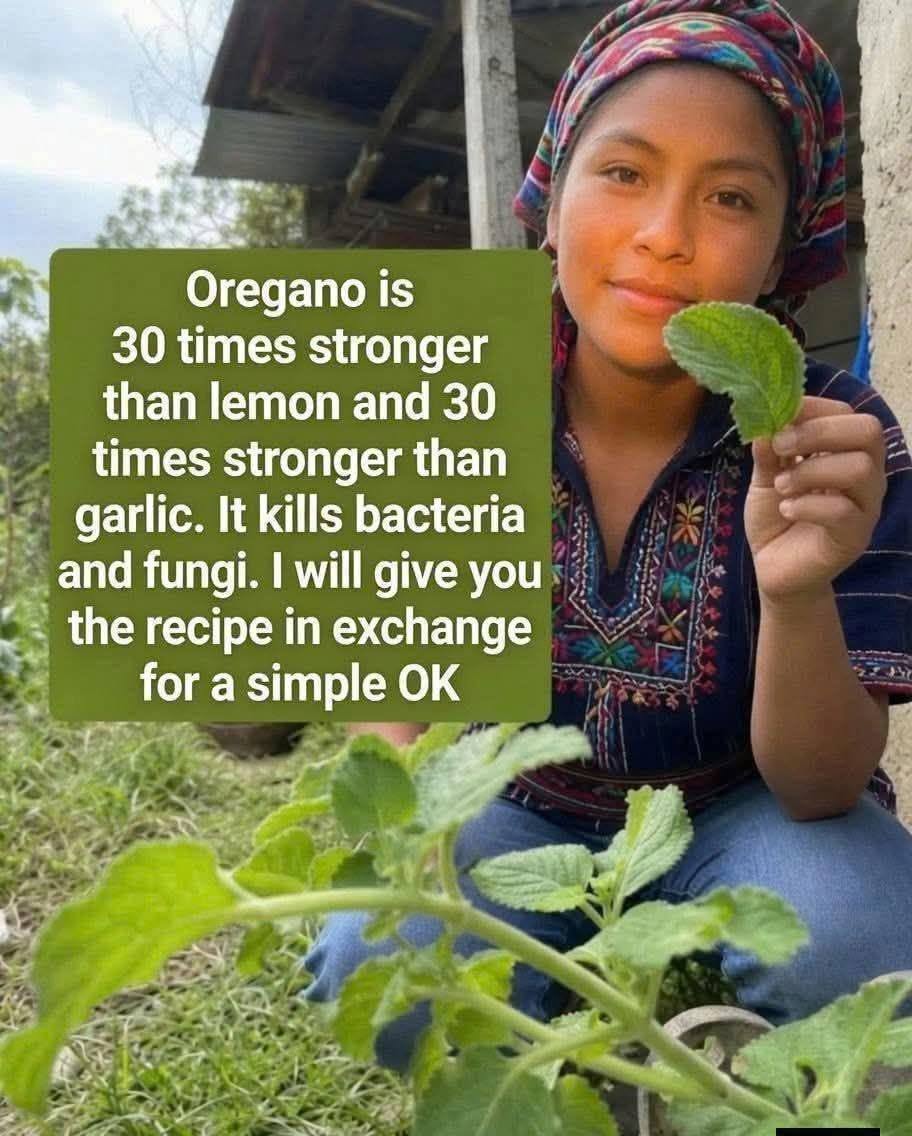
Claims that oregano is “30 times stronger than lemon and garlic” and can “kill bacteria and fungi” are based on some interesting laboratory findings, but they are often exaggerated when applied to human health.
What is true:
- Oregano contains plant compounds such as carvacrol and thymol, which have shown antimicrobial activity in laboratory studies.
- Oregano essential oil can inhibit certain bacteria and fungi under test conditions.
What is not proven:
- Eating oregano or taking oregano oil has not been shown to act like an antibiotic or antifungal medicine inside the human body.
- It does not “cleanse” the body, cure infections, or replace medical treatment.
Safety notes:
- Oregano as a food seasoning is generally safe.
- Oregano essential oil is highly concentrated and can irritate the mouth, throat, stomach, or skin if used improperly.
- It may interact with some medications, including those that affect bleeding risk or blood sugar.
Adding oregano to meals can be a healthy way to include herbs in your diet, but persistent infections, fungal problems, or symptoms like fever and worsening pain should be evaluated with appropriate medical care.
