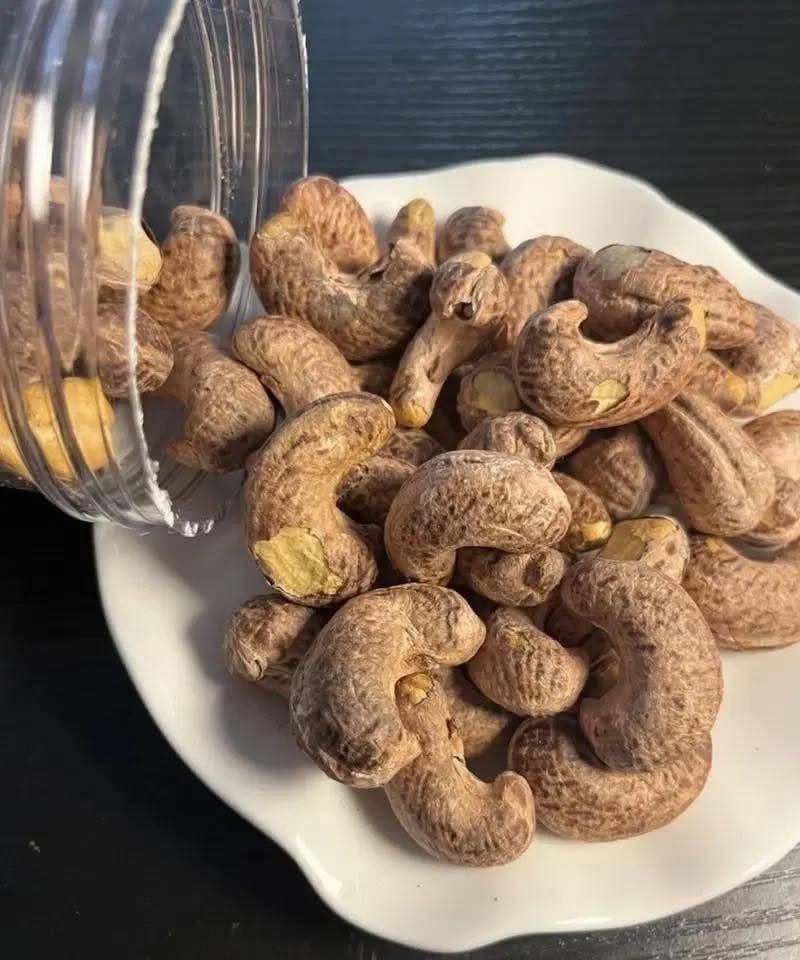
Headlines like “Doctors reveal that eating cashews causes…” often leave out the important details. For most people, cashews are a nutritious food and do not cause health problems when eaten in reasonable amounts.
Cashews provide:
- Healthy fats
- Plant-based protein
- Fiber
- Magnesium, copper, and other minerals
However, cashews can cause problems in certain situations, including:
- Allergic reactions: Cashew allergies can be serious and may cause hives, swelling, breathing difficulty, vomiting, or anaphylaxis in sensitive people.
- Digestive discomfort: Eating large amounts may cause bloating, gas, or stomach upset because of their fat and fiber content.
- Extra calories: Cashews are energy-dense, so frequent large portions can contribute to excess calorie intake.
- Salt-related concerns: Salted cashews can contain a lot of sodium, which may be an issue for people managing high blood pressure or certain heart/kidney conditions.
- Kidney stone concerns (for some people): Cashews contain oxalates, and people who are prone to certain types of kidney stones may need personalized dietary advice.
For most people, a small handful of unsalted cashews can fit well into a balanced diet.
If you saw a claim that cashews “cause” a specific condition (for example, weight gain, high cholesterol, kidney problems, or inflammation), tell me the exact claim and I can help separate fact from myth.
