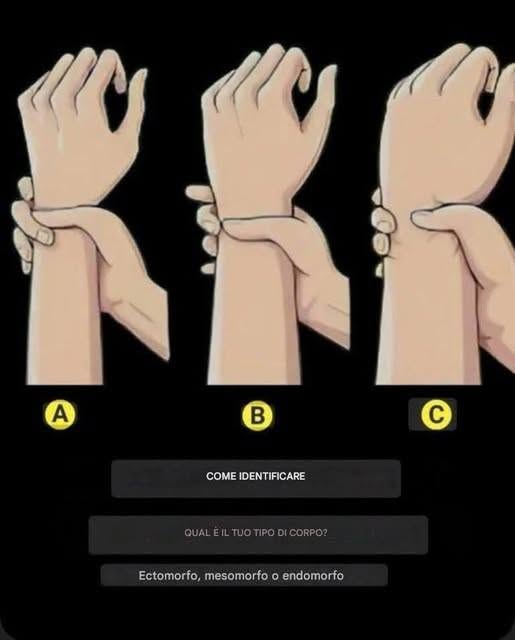
The terms ectomorph, mesomorph, and endomorph come from the somatotype system, which was introduced in the 1940s. While these body types can describe general body shapes, modern research does not support the idea that people fit neatly into one category or that your body type determines your health or fitness potential.
Here’s what each type traditionally refers to:
Ectomorph
Typical characteristics:
- Naturally lean or slender build
- Narrow shoulders and hips
- Lower body fat and muscle mass
- May find it harder to gain weight or muscle
General fitness approach:
- Focus on adequate calories and protein if trying to build muscle.
- Include regular strength training.
Mesomorph
Typical characteristics:
- Naturally muscular or athletic build
- Medium frame
- May gain muscle relatively easily
General fitness approach:
- A balanced mix of strength training and cardiovascular exercise usually works well.
- Nutrition should match activity level and goals.
Endomorph
Typical characteristics:
- Larger frame
- May carry more body fat
- May gain weight more easily
General fitness approach:
- Combine strength training with regular aerobic activity.
- Focus on a balanced, nutrient-rich diet and sustainable eating habits.
Important limitations
Most people don’t fit perfectly into one category. You may have traits of more than one body type, and factors such as:
- Genetics
- Age
- Sex
- Hormones
- Physical activity
- Nutrition
- Sleep
all influence body composition much more than a simple body-type label.
Bottom line
The ectomorph–mesomorph–endomorph model can be a useful way to describe body shape, but it is not a medical classification and should not be used to predict health, athletic ability, or the “best” diet. With appropriate training, nutrition, and lifestyle habits, people of all body shapes can improve their strength, fitness, and overall health.
