A more accurate title would be:
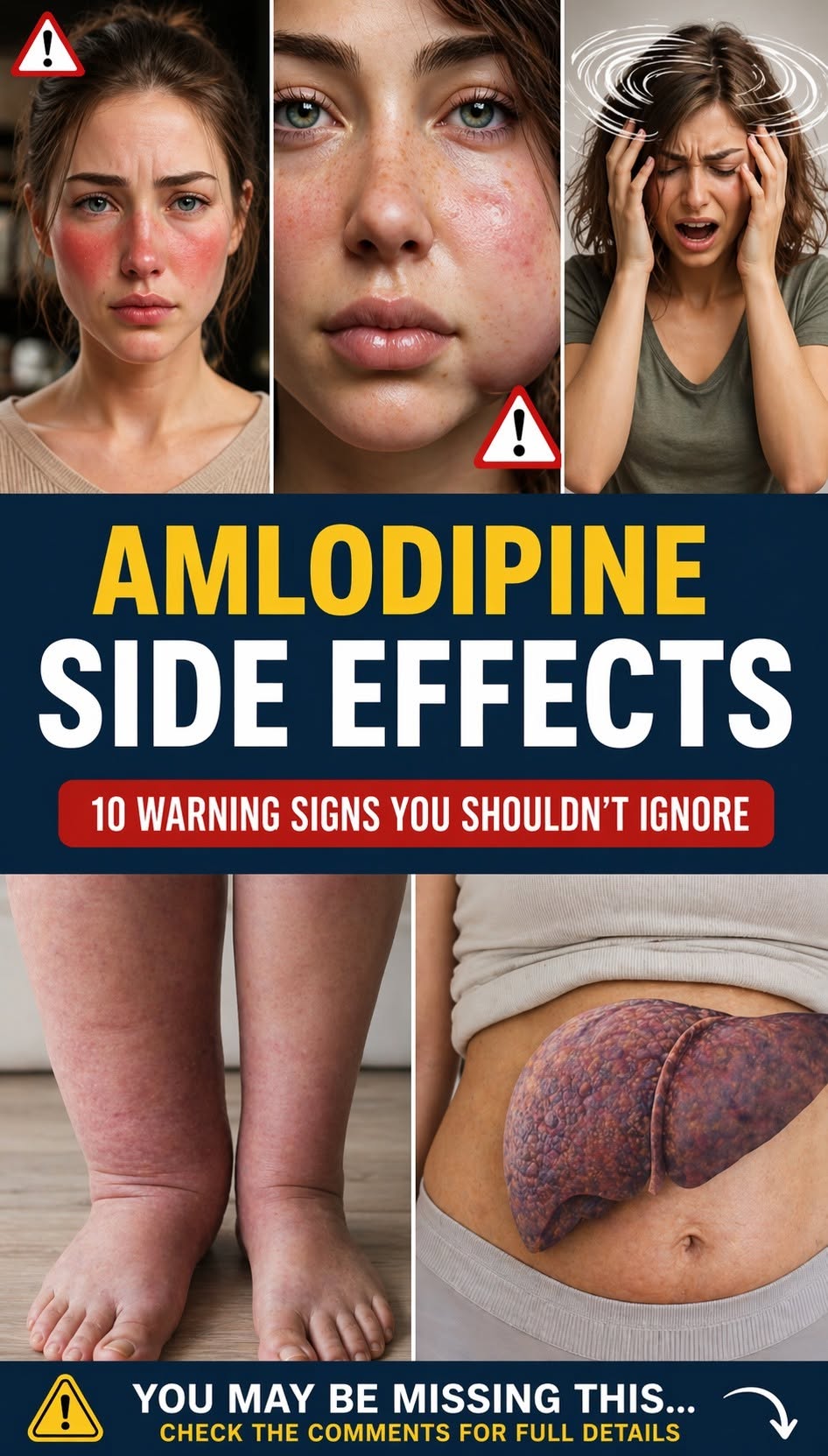
Top 12 Amlodipine Side Effects You Should Know About
Amlodipine is a commonly prescribed calcium channel blocker used to treat high blood pressure (hypertension) and chest pain caused by reduced blood flow to the heart (angina). Many people take it without major problems, but like any medication, it can cause side effects.
Here are 12 possible side effects and important things to watch for:
1. Swelling in the ankles and feet
One of the most common side effects of amlodipine is peripheral edema. It happens because fluid can collect in tissues, especially around the lower legs.
2. Dizziness or lightheadedness
Because amlodipine lowers blood pressure, some people may feel dizzy—especially when standing up quickly.
3. Flushing or feeling warm
Some people experience facial flushing, warmth, or redness due to changes in blood vessel relaxation.
4. Headache
Headaches can occur, particularly when first starting treatment, and may improve as the body adjusts.
5. Tiredness or fatigue
Some people report feeling more tired than usual after beginning amlodipine.
6. Fast heartbeat or palpitations
A small number of people may notice a faster heartbeat or awareness of their heartbeat.
7. Nausea or stomach discomfort
Digestive symptoms such as nausea or abdominal discomfort can occur in some users.
8. Gum overgrowth (gingival hyperplasia)
Rarely, amlodipine may contribute to gum enlargement. Good dental hygiene and regular dental checkups are important.
9. Sleep changes
Some people report sleep disturbances, although these effects are not among the most common reactions.
10. Low blood pressure
Excessive blood-pressure reduction may cause:
- Weakness
- Faintness
- Blurred vision
- Feeling unsteady
11. Muscle cramps or discomfort
Some users experience muscle aches or cramps, though these are less common.
12. Allergic reactions (rare)
Seek urgent medical help for signs such as:
- Swelling of the face, lips, or throat
- Trouble breathing
- Severe rash
When to Contact a Healthcare Professional
Talk with your doctor or pharmacist if you have:
- Persistent or severe ankle swelling
- Frequent dizziness or fainting
- New or worsening chest pain
- A troubling heartbeat sensation
- Side effects that interfere with daily activities
Important: Don’t Stop Amlodipine Suddenly
Even if you experience side effects, do not stop taking amlodipine without medical advice. A healthcare professional can adjust the dose, change medications, or suggest ways to manage side effects safely.
For many people, amlodipine provides significant benefits by helping control blood pressure and reducing cardiovascular risk, and side effects—when they occur—can often be managed.
