10 Warning Signs You’re Eating Too Much Sugar
Sugar is a normal source of energy, but regularly consuming more added sugar than your body needs can affect your energy levels, appetite, teeth, and overall health. Here are 10 signs that your sugar intake may be higher than ideal.
1. Frequent energy crashes
You may feel a quick boost after eating sugary foods, followed by tiredness, sluggishness, or difficulty concentrating.
What to watch for: Needing sweets, soda, or sugary snacks to “get through” the day.
2. Strong cravings for sweets
Regular high-sugar intake can make sweet foods feel harder to resist.
What to watch for: Thinking about desserts often or feeling unsatisfied after meals without something sweet.
3. Increased hunger soon after eating
Meals high in added sugar but low in protein and fiber may not keep you full for long.
What to watch for: Feeling hungry again shortly after snacks or meals.
4. Mood swings or irritability
Rapid changes in blood sugar levels may be linked with feeling more irritable, restless, or moody in some people.
5. Trouble maintaining a healthy weight
Sugary foods and drinks can add many calories without providing lasting fullness, which may make weight management harder.
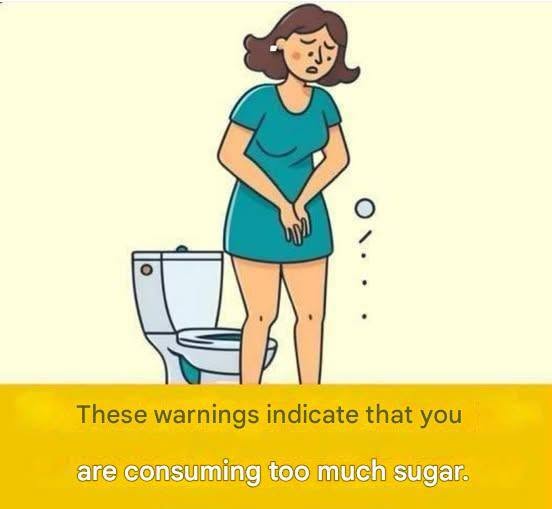
6. More thirst and frequent urination
Excessive thirst and urination can sometimes be signs of high blood sugar levels.
Important: If these symptoms are new, persistent, or accompanied by unexplained weight loss, fatigue, or blurry vision, talk with a healthcare professional.
7. Dental problems
Frequent sugar exposure feeds bacteria in the mouth, increasing the risk of cavities and tooth decay.
8. Poor sleep quality
High intake of sugary foods, especially later in the day, may be associated with disrupted sleep patterns for some people.
9. Skin changes
Some people notice more acne flare-ups or changes in skin appearance when their diet is high in refined carbohydrates and added sugars, though many factors can contribute.
10. Needing bigger portions of sweet foods
Over time, regularly eating very sweet foods may make less-sweet foods seem less satisfying.
Simple ways to reduce added sugar
- Choose water or unsweetened drinks more often.
- Read labels for added sugars.
- Eat more protein and fiber with meals.
- Replace sugary snacks with fruit, nuts, yogurt, or other nutrient-rich options.
- Reduce sugar gradually rather than trying to eliminate everything at once.
A helpful guideline from health organizations is to limit added sugars (sugars added during processing or preparation) and focus more on naturally occurring sugars found in whole foods like fruit and plain dairy products. If you have diabetes, prediabetes, or symptoms of high blood sugar, your personal targets may be different and should be discussed with a healthcare professional.
