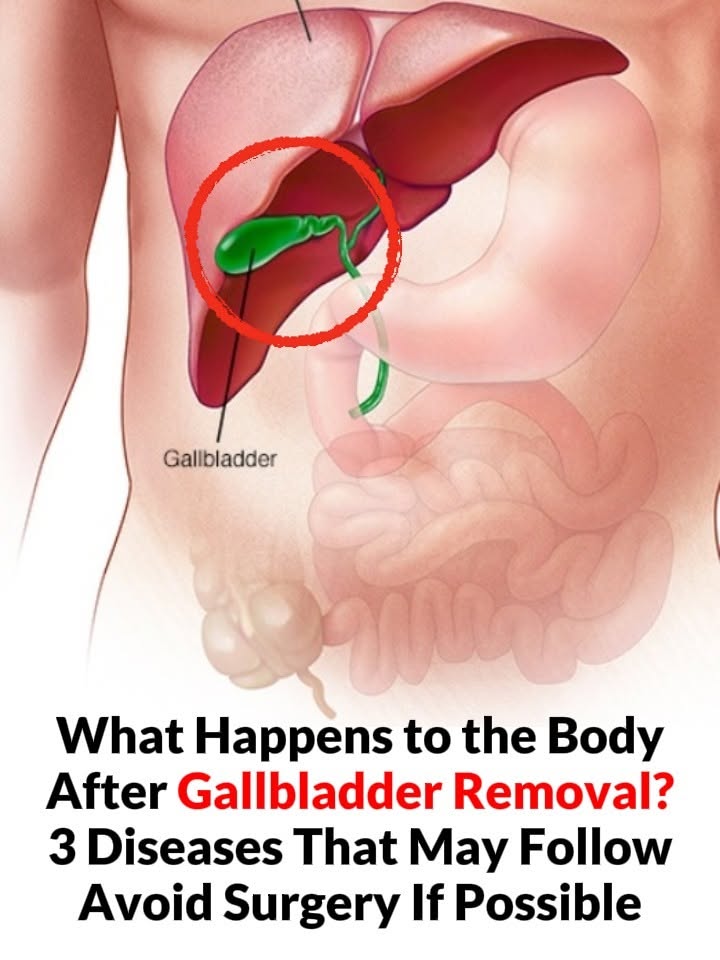
What Happens After Gallbladder Removal? Understanding the Facts
The gallbladder stores bile, a digestive fluid made by the liver. After Cholecystectomy (gallbladder removal), the liver still produces bile, but instead of being stored in the gallbladder, it flows directly into the small intestine.
Most people recover well and live normal, healthy lives without a gallbladder.
Common Changes After Surgery
1. Digestive changes
Some people experience:
- Diarrhea
- Bloating
- Gas
- Loose stools after fatty meals
These symptoms are usually temporary and often improve over weeks to months.
2. Difficulty digesting large fatty meals
Without a gallbladder, bile is released more continuously rather than in larger amounts during meals. Eating smaller, lower-fat meals may help during recovery.
Conditions That Can Occur After Gallbladder Removal
While many online articles claim surgery causes several diseases, the evidence is more nuanced.
1. Persistent diarrhea
A small percentage of people develop ongoing diarrhea related to bile acids reaching the colon. This can often be treated if it persists.
2. Post-cholecystectomy syndrome
Some people continue to have abdominal pain, indigestion, or other digestive symptoms after surgery. These symptoms can have several causes and should be evaluated rather than assumed to be due to the surgery itself.
3. Rare bile duct problems
Although uncommon, some people may develop retained bile duct stones, narrowing of the bile ducts, or other complications that require medical treatment.
Should You Avoid Surgery If Possible?
Not necessarily.
Gallbladder removal is generally recommended only when the benefits outweigh the risks, such as for:
- Recurrent painful gallstones
- Gallbladder inflammation
- Gallstone pancreatitis
- Certain gallbladder complications
If gallstones are present but cause no symptoms, surgery is often not recommended.
For people with frequent attacks or serious complications, delaying surgery can sometimes increase the risk of more severe illness.
Tips After Gallbladder Removal
- Eat smaller, more frequent meals during recovery.
- Gradually reintroduce healthy fats rather than eating large, high-fat meals.
- Include fiber gradually if diarrhea occurs.
- Stay hydrated.
- Follow your surgeon’s dietary recommendations.
When to Seek Medical Care
Contact your healthcare provider if you develop:
- Severe or persistent abdominal pain
- Fever
- Yellowing of the skin or eyes (jaundice)
- Persistent vomiting
- Ongoing diarrhea that leads to dehydration or weight loss
Bottom line
Gallbladder removal does not inevitably lead to other diseases, and most people recover well. While some digestive symptoms can occur, they are often temporary or manageable. If your doctor recommends surgery because of painful or complicated gallbladder disease, the benefits often outweigh the risks. The decision should be based on your individual condition rather than a general rule to “avoid surgery if possible.”
