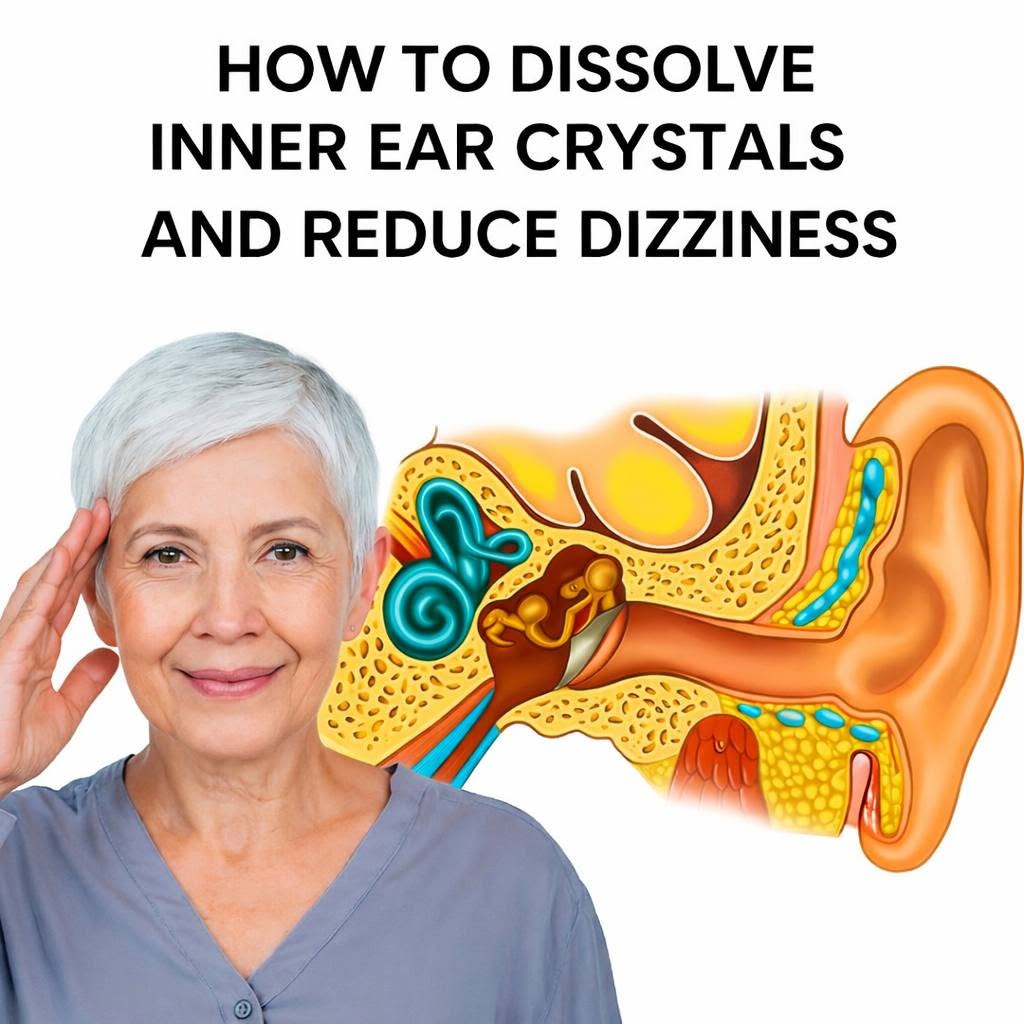
How to Get Rid of “Inner Ear Crystals” and Reduce Vertigo
The phrase “inner ear crystals” usually refers to tiny calcium carbonate particles (otoconia) that have moved out of place in the inner ear. This can cause benign paroxysmal positional vertigo (BPPV)—a common type of vertigo that causes brief episodes of spinning, often triggered by turning your head, rolling over in bed, or looking up.
1. Try repositioning maneuvers (when appropriate)
The most common treatment is a series of head and body movements that help guide the particles back into place.
- Epley maneuver: Often used for BPPV affecting the most common inner-ear canal.
- Other maneuvers: A healthcare professional may recommend different movements depending on which ear and canal are involved.
Because doing the wrong maneuver can be ineffective or uncomfortable, it is best to confirm the cause and affected side when possible, especially if symptoms are new or severe.
2. Move carefully during flare-ups
- Sit up slowly from lying down.
- Avoid sudden head movements until symptoms improve.
- Use support when walking if you feel unsteady.
3. Stay hydrated and maintain good habits
Dehydration, stress, poor sleep, and illness can make dizziness symptoms feel worse, although they do not directly “move” crystals back into place.
4. Avoid unnecessary ear remedies
Ear drops, oils, or “cleansing” methods do not remove inner-ear crystals because the problem is inside the balance system, not the ear canal.
When to seek medical help
Get medical advice if:
- Vertigo is new, severe, or lasts continuously
- You have hearing loss, severe headache, weakness, numbness, fainting, trouble speaking, or vision changes
- You have chest pain or difficulty walking
- Symptoms do not improve after appropriate treatment
A clinician, such as an ear specialist or physical therapist trained in vestibular therapy, can diagnose BPPV and perform the correct repositioning maneuver.
If you describe when the vertigo happens (for example, turning in bed, standing up, or constant spinning), how long each episode lasts, and whether you have hearing changes, I can help narrow down what type of dizziness it sounds like.
