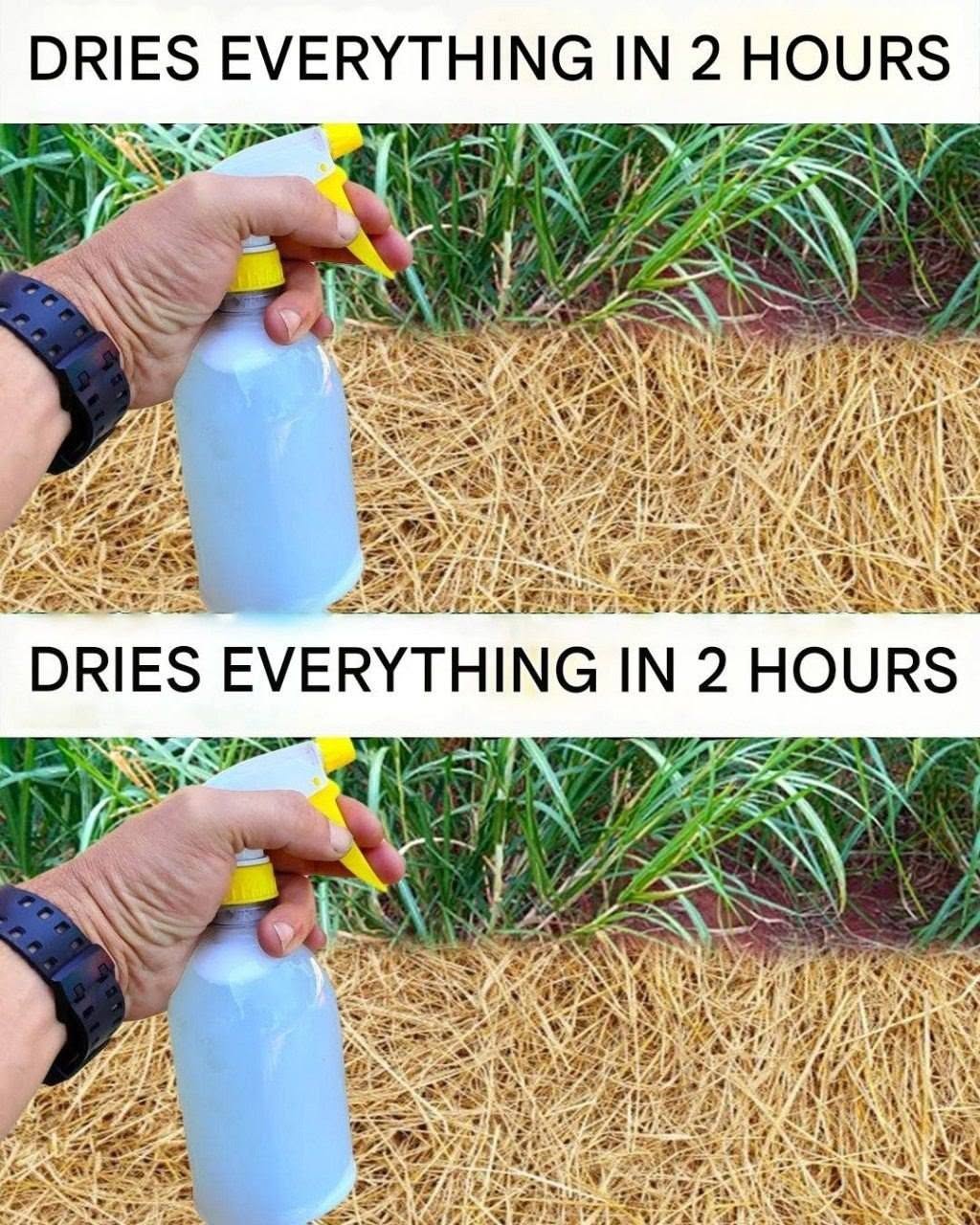
Homemade Weed Killer: What Works and What to Know
Many homemade weed-killer recipes use household ingredients like vinegar, salt, and dish soap. These mixtures can dry out the leaves of some weeds, but they are not always selective and may also damage grass, flowers, soil, and nearby plants.
A common DIY weed-control spray:
Ingredients:
- White vinegar (higher-strength horticultural vinegar works faster than kitchen vinegar)
- A small amount of dish soap (helps the liquid stick to leaves)
How it works:
- Vinegar’s acetic acid can burn and dehydrate plant leaves.
- It works best on young, small weeds on a sunny day.
Important cautions:
- It may only kill the visible parts of the weed and may not kill deep roots, so regrowth is possible.
- Avoid spraying near plants you want to keep.
- Large amounts of vinegar can affect soil organisms and soil acidity.
- Salt-based recipes can be especially damaging because salt can build up in soil and prevent plants from growing.
Safer long-term weed control:
✅ Pull weeds after rain when soil is softer
✅ Add mulch to block sunlight and prevent new growth
✅ Use landscape fabric in problem areas
✅ Remove weeds before they produce seeds
A homemade spray can be useful for small areas like cracks in pavement, but it is not a guaranteed “dries everything in 2 hours” solution for every weed.
