What Is the Normal Blood Pressure for Each Age?
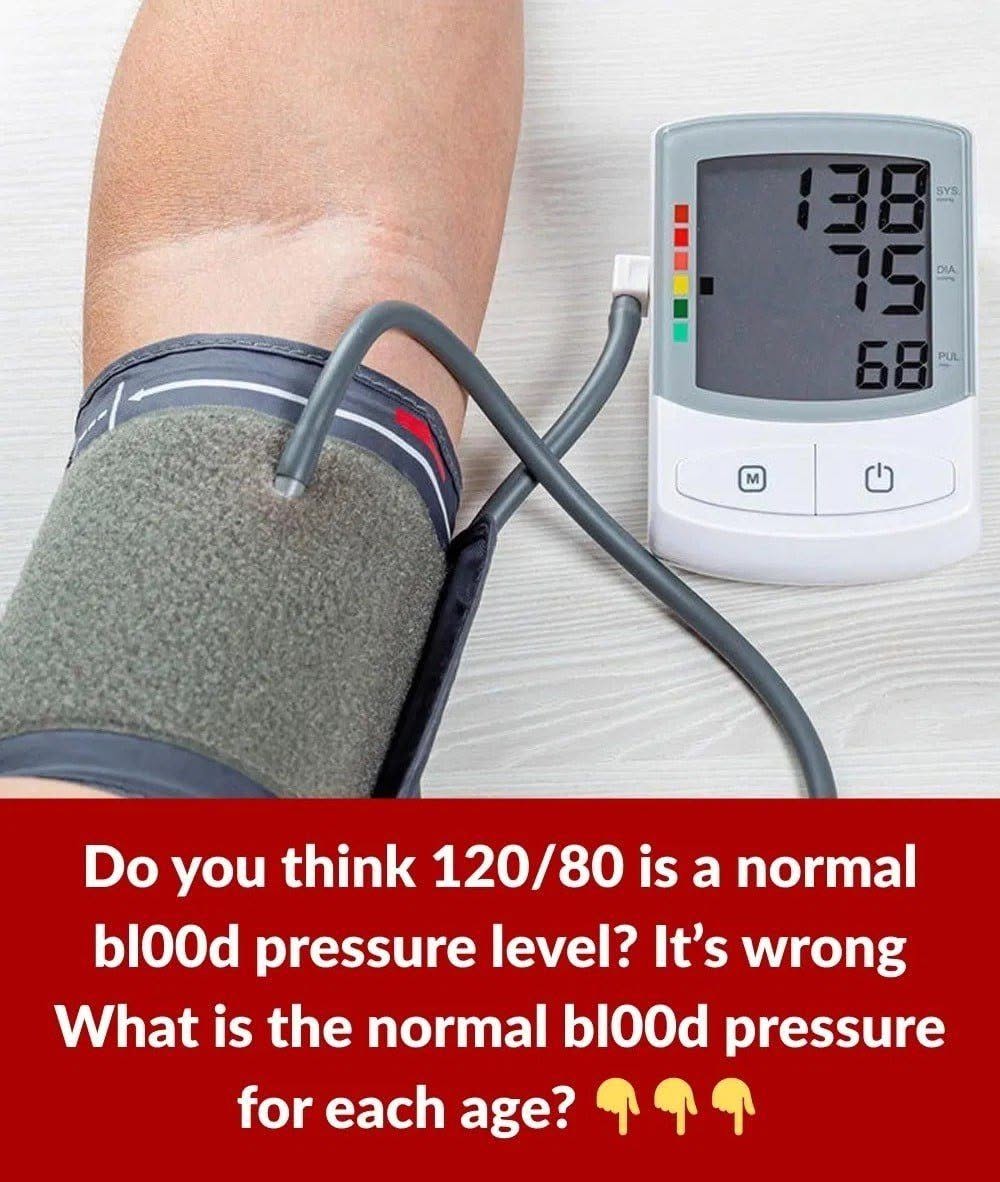
Blood pressure does not have one exact “normal” number for every age. It naturally changes with age, health, activity level, and medications. In general, a healthy adult blood pressure is often considered around:
Normal: less than 120/80 mmHg
- 120 = systolic pressure (when the heart beats)
- 80 = diastolic pressure (when the heart relaxes)
General blood pressure ranges by age
| Age group | Typical healthy range (approximate) |
|---|---|
| Children | Varies greatly by age, height, and sex |
| Teens | About 110–120 / 65–80 mmHg |
| Adults 18–39 | Around 110–130 / 70–80 mmHg |
| Adults 40–59 | Around 120–135 / 70–85 mmHg |
| Adults 60+ | Often around 120–140 / 70–85 mmHg (individual targets vary) |
Blood pressure categories for adults:
- Normal: Less than 120/80
- Elevated: 120–129 and less than 80
- High blood pressure (Stage 1): 130–139 or 80–89
- High blood pressure (Stage 2): 140+ or 90+
Keep in mind:
- A single high reading does not always mean you have hypertension. Blood pressure can rise temporarily due to stress, pain, caffeine, exercise, or illness.
- Older adults may have different targets depending on overall health, medications, and risk of falls or other conditions.
Tips for a more accurate reading:
✅ Rest quietly for 5 minutes before measuring
✅ Sit with your feet flat on the floor
✅ Keep your arm supported at heart level
✅ Avoid caffeine, smoking, or exercise for about 30 minutes before checking
If you share your age and your blood pressure reading (for example, 145/85), I can help explain what it may mean.
