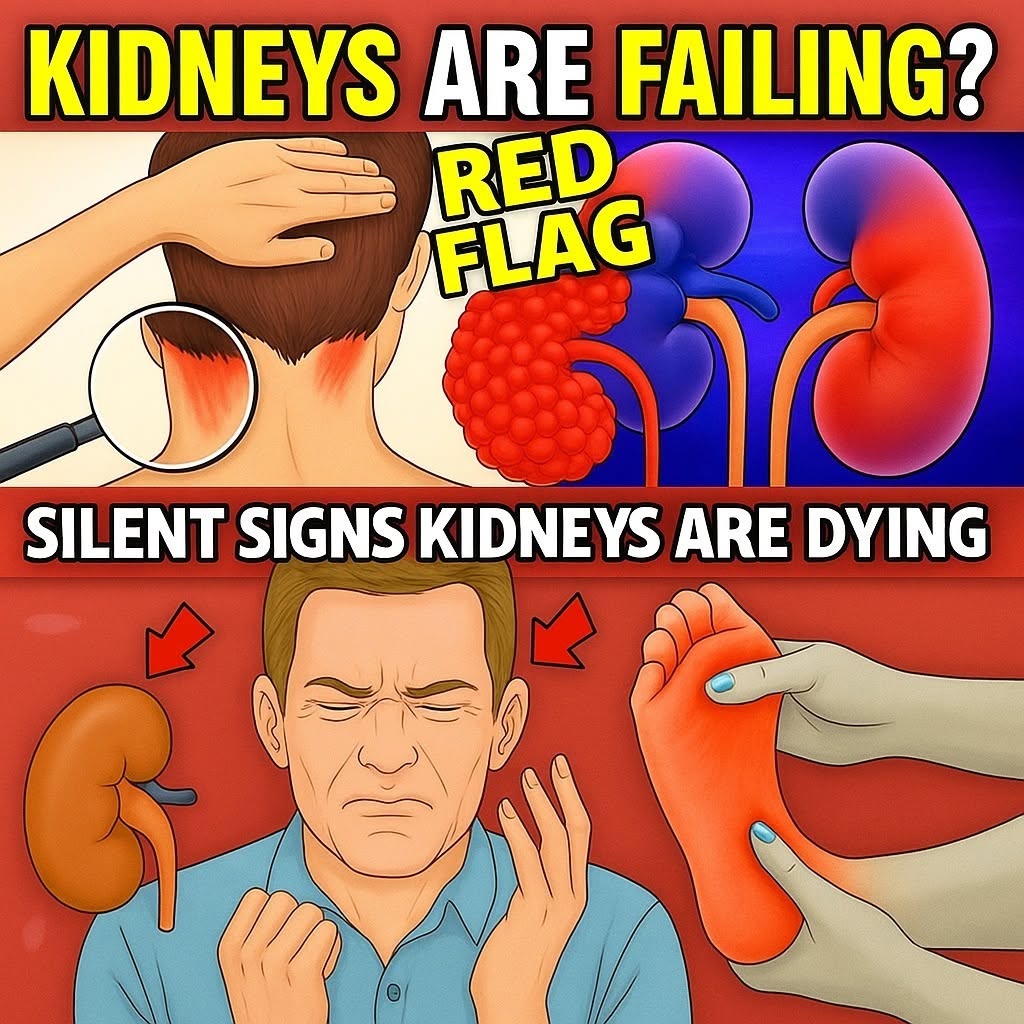
10 Possible Signs of Kidney Disease That Shouldn’t Be Ignored
Kidney disease often develops gradually, and early stages may cause no symptoms at all. That’s why regular checkups and blood and urine tests are important for people at higher risk (such as those with diabetes or high blood pressure).
Possible symptoms of worsening kidney function include:
1. Swelling (edema)
- Puffiness around the eyes or swelling of the feet, ankles, or legs due to fluid retention.
2. Changes in urination
- Urinating more or less than usual, especially at night.
- Foamy urine (which may indicate protein in the urine).
- Blood in the urine.
3. Persistent fatigue
- Reduced kidney function can contribute to anemia and the buildup of waste products, leading to tiredness.
4. Itching
- Persistent, widespread itching can occur in more advanced kidney disease.
5. Loss of appetite, nausea, or vomiting
- These symptoms may develop as waste products accumulate in the body.
6. Muscle cramps
- Changes in electrolyte levels can contribute to muscle cramps.
7. Trouble concentrating
- Some people experience difficulty thinking clearly or concentrating.
8. Dry skin
- Kidney disease can affect fluid balance and skin health.
9. Shortness of breath
- Fluid buildup or anemia related to kidney disease can make breathing more difficult.
10. High blood pressure that’s difficult to control
- High blood pressure can both cause and result from kidney disease.
Important
These symptoms do not necessarily mean your kidneys are failing. Many of them can be caused by other conditions. Kidney disease is diagnosed with tests such as:
- Blood tests (including creatinine and estimated glomerular filtration rate [eGFR])
- Urine tests (to check for protein or blood)
- Sometimes imaging tests, such as an ultrasound
Seek prompt medical care if you have:
- Blood in your urine
- Severe swelling
- Markedly reduced urine output
- Chest pain or severe shortness of breath
- Confusion or extreme drowsiness
If you have diabetes, high blood pressure, or a family history of kidney disease, regular screening can help detect kidney problems before symptoms appear.
