12 Things to Avoid or Be Careful With While Taking Amlodipine
Amlodipine is a calcium channel blocker used to treat high blood pressure and angina (chest pain). Most people take it safely, but certain substances and habits can increase side effects or interfere with treatment.
1. Don’t stop it suddenly without medical advice
Stopping amlodipine abruptly may allow your blood pressure to rise or your angina to worsen.
2. Limit excessive alcohol
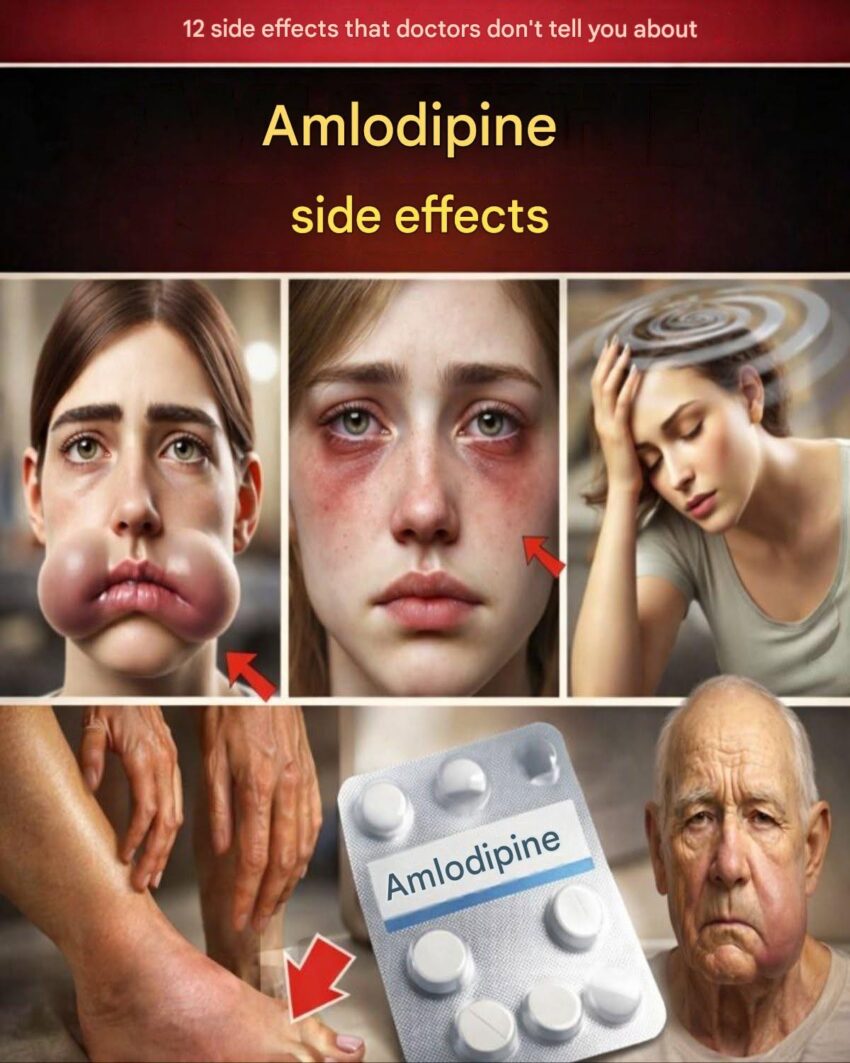
Alcohol can increase dizziness, lightheadedness, and the risk of falls by lowering blood pressure further.
3. Be cautious with grapefruit
Unlike some other calcium channel blockers, grapefruit has a much smaller effect on amlodipine and is not usually a major concern. However, large amounts may affect some people, so ask your healthcare professional if you’re unsure.
4. Avoid dehydration
Vomiting, diarrhea, or not drinking enough fluids can make low blood pressure symptoms worse.
5. Stand up slowly
You may feel dizzy when getting up quickly, especially after starting the medication or increasing the dose.
6. Don’t ignore swollen ankles or feet
Ankle swelling is one of the most common side effects. If it’s severe or bothersome, let your healthcare professional know.
7. Check before taking new medications
Some prescription medicines, over-the-counter drugs, and supplements can interact with amlodipine or affect blood pressure.
8. Use caution with erectile dysfunction medications
Medicines such as sildenafil or tadalafil can also lower blood pressure. Your prescriber can advise whether they can be used safely together.
9. Avoid taking more than prescribed
Taking extra doses increases the risk of very low blood pressure, dizziness, and fainting.
10. Don’t rely on symptoms alone
High blood pressure often causes no symptoms, even when it’s dangerously high. Continue taking your medication unless instructed otherwise.
11. Be careful when driving or operating machinery
Until you know how amlodipine affects you, avoid activities that require full alertness if you feel dizzy.
12. Don’t skip follow-up appointments
Regular blood pressure checks help ensure your treatment is working and allow your healthcare professional to address side effects if they occur.
Contact your healthcare professional if you experience:
- Severe dizziness or fainting
- Chest pain that is new or worsening
- Shortness of breath
- Rapid or irregular heartbeat
- Severe swelling of the legs
- Signs of an allergic reaction, such as swelling of the face, lips, tongue, or throat
Bottom line
Amlodipine is an effective medication for many people. Taking it consistently, monitoring your blood pressure, and discussing any side effects or new medications with your healthcare professional can help you get the greatest benefit while minimizing risks.
