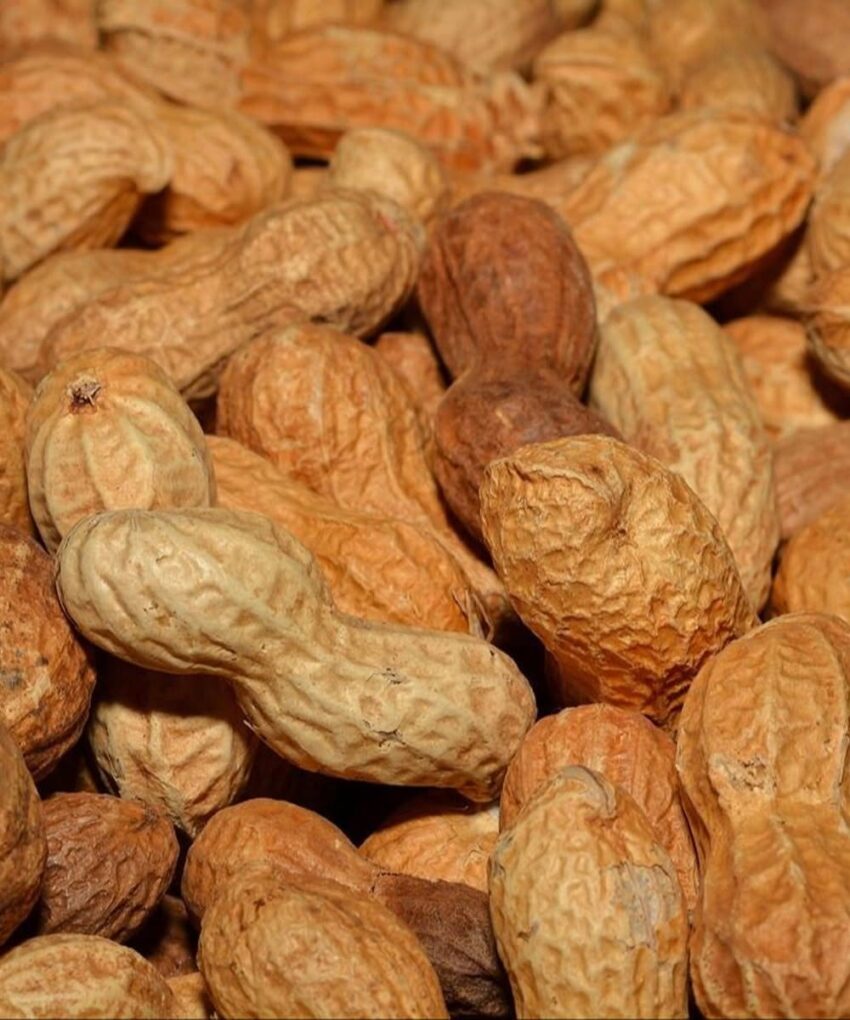
“Doctors Reveal That Eating Peanuts Causes…” — What You Should Know
Peanuts are often the subject of alarming headlines, but the effects of eating peanuts depend on the individual, the amount consumed, and the person’s health situation. For many people, peanuts can be a nutritious part of a balanced diet.
Potential benefits of eating peanuts
- Heart health: Peanuts contain unsaturated fats, fiber, and plant compounds that may support healthy cholesterol levels.
- Protein source: They provide plant-based protein that helps support muscle maintenance.
- Nutrients: Peanuts contain magnesium, vitamin E, niacin, and other nutrients.
Possible concerns
1. Allergic reactions
- Peanut allergy can be serious and may cause symptoms such as hives, swelling, trouble breathing, vomiting, or a life-threatening reaction called anaphylaxis.
- People with a known peanut allergy should avoid peanuts and follow medical advice.
2. Extra calories if eaten in large amounts
- Peanuts are nutrient-dense but also calorie-dense, so large portions may contribute to weight gain.
3. Added salt and flavorings
- Salted or flavored peanuts may contain high amounts of sodium, added sugars, or unhealthy oils.
4. Digestive discomfort
- Some people may experience bloating, gas, or stomach discomfort, especially when eating large amounts.
5. Contamination risks (rare)
- Poorly stored peanuts can develop mold-related toxins. Buying from reputable sources and storing them properly reduces this risk.
How to eat peanuts in a healthier way
✅ Choose unsalted or lightly salted peanuts
✅ Prefer dry-roasted or raw varieties without added oils
✅ Keep portions moderate (a small handful is often enough)
✅ Include them as part of an overall balanced diet
Bottom line: For most people, peanuts do not “cause disease” and can be a healthy food choice. The main exceptions are people with peanut allergies or those who need to limit certain nutrients for medical reasons.
