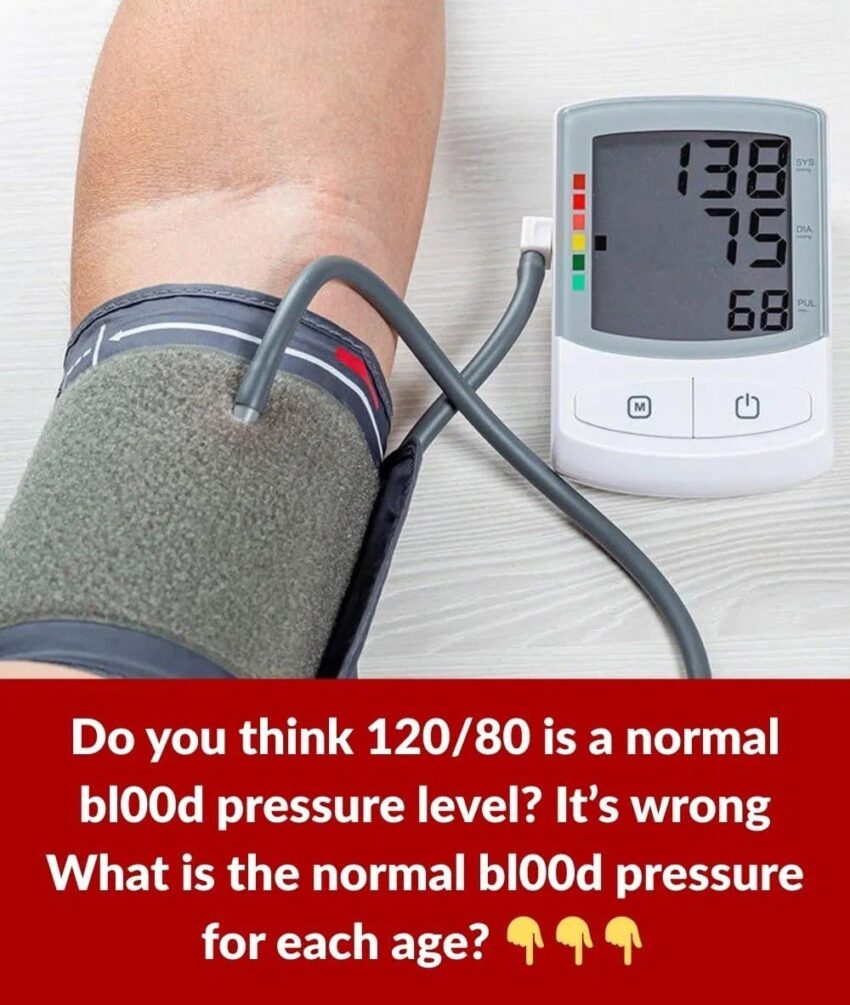
Normal Blood Pressure by Age: What Numbers Are Considered Healthy?
A common mistake is thinking that blood pressure should automatically rise as you get older. While blood pressure often increases with age because arteries can become stiffer, a “normal” target is not simply based on age alone. Your overall health, medical conditions, and medications also matter.
General adult blood pressure categories
| Blood pressure reading | Meaning |
|---|---|
| Below 120/80 mmHg | Generally considered normal |
| 120–129 / below 80 | Elevated |
| 130–139 or 80–89 | High blood pressure (Stage 1) |
| 140 or higher or 90 or higher | High blood pressure (Stage 2) |
Approximate healthy ranges often used as a guide
| Age group | Common healthy target (varies by person) |
|---|---|
| 18–39 years | Around 120/80 mmHg or lower |
| 40–59 years | Around 120–130/80 mmHg (individual targets vary) |
| 60+ years | Often around 130–140/80–90 mmHg depending on health and medical advice |
Important things to remember:
- A single high reading does not always mean you have hypertension. Blood pressure can change due to stress, pain, caffeine, exercise, or illness.
- Older adults should not assume that very high blood pressure is “normal for their age.”
- Very low blood pressure can also be a problem if it causes dizziness, fainting, or falls.
Tips for more accurate home readings:
✅ Rest quietly for 5 minutes before measuring
✅ Sit with your back supported and feet flat on the floor
✅ Keep your arm supported at heart level
✅ Avoid caffeine, smoking, or exercise for about 30 minutes before checking
If your readings are repeatedly 140/90 or higher, or you have symptoms such as chest pain, severe headache, weakness on one side, or trouble speaking, seek medical advice promptly.
