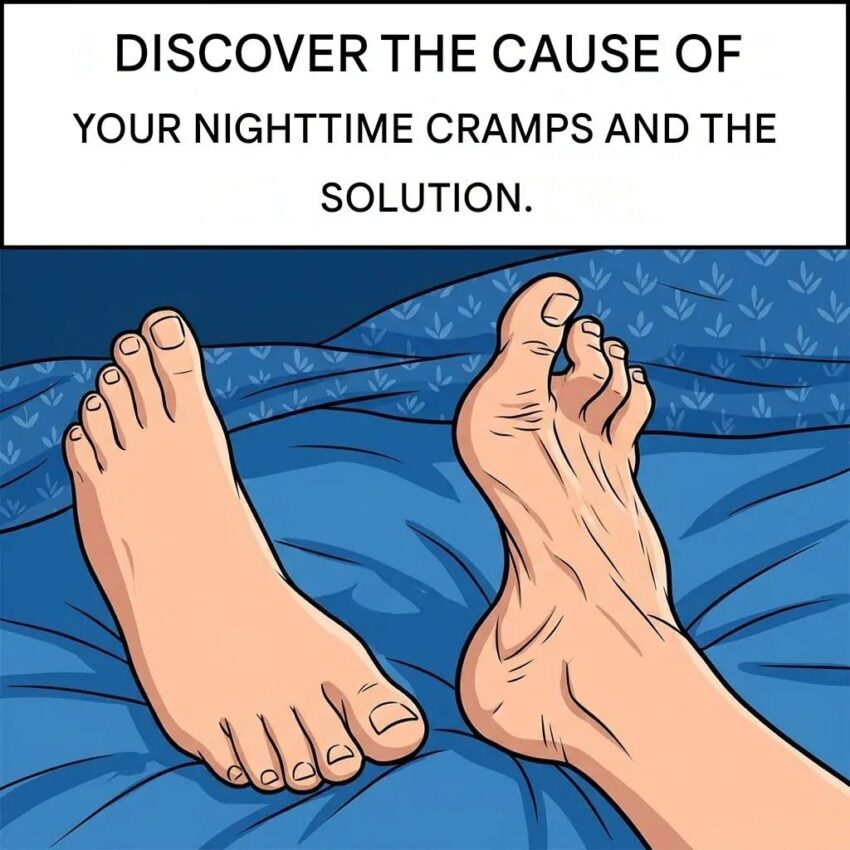
Disturbed Nights Due to Leg Cramps? Common Causes and What May Help
Waking up with painful leg cramps—often in the calf, foot, or thigh—is common, especially as people get older. Although they’re usually harmless, frequent or severe cramps can sometimes point to an underlying problem.
Common causes
- Muscle fatigue or overuse: Long periods of standing, strenuous exercise, or unfamiliar activity can trigger cramps.
- Dehydration: Not drinking enough fluids, especially in hot weather or during illness, may contribute.
- Prolonged sitting or sleeping in one position: Muscles that stay shortened for long periods may cramp more easily.
- Pregnancy: Nighttime leg cramps are common, particularly later in pregnancy.
- Certain medications: Some people experience cramps while taking medications such as diuretics (“water pills”), statins, or others. Don’t stop a prescribed medication without discussing it with your healthcare professional.
- Medical conditions: Diabetes, kidney disease, thyroid disorders, peripheral artery disease, and nerve disorders can all increase the likelihood of cramps.
What can help when a cramp strikes
- Gently stretch the affected muscle. For a calf cramp, straighten your leg and pull your toes toward your shin.
- Massage the muscle gently.
- Walk a few steps if you can.
- Some people find a warm towel or heating pad helps relax the muscle. If the area is sore afterward, a cool pack may help.
Ways to reduce nighttime cramps
- Stretch your calf and hamstring muscles before bed.
- Stay well hydrated unless you’ve been advised to limit fluids.
- Get regular physical activity, but avoid suddenly increasing exercise intensity.
- Wear supportive footwear if you’re on your feet for long periods.
What about magnesium or other supplements?
Magnesium supplements are often promoted for leg cramps, but research has shown mixed results. They may help in some situations—such as if you have a magnesium deficiency—but they are not a proven treatment for most people with nighttime leg cramps. It’s best to talk with a healthcare professional before starting supplements, especially if you have kidney disease or take other medications.
When to seek medical advice
Make an appointment if cramps:
- Happen frequently or severely disrupt your sleep.
- Are accompanied by muscle weakness, numbness, or swelling.
- Occur after starting a new medication.
- Don’t improve with stretching and self-care.
Seek urgent medical care if you have a painful, swollen, red leg, chest pain, or shortness of breath, as these symptoms can indicate conditions that require immediate evaluation.
Bottom line: Most nighttime leg cramps are not dangerous and often improve with stretching, hydration, and regular activity. If they’re frequent, severe, or associated with other symptoms, it’s worth getting evaluated to look for an underlying cause.
