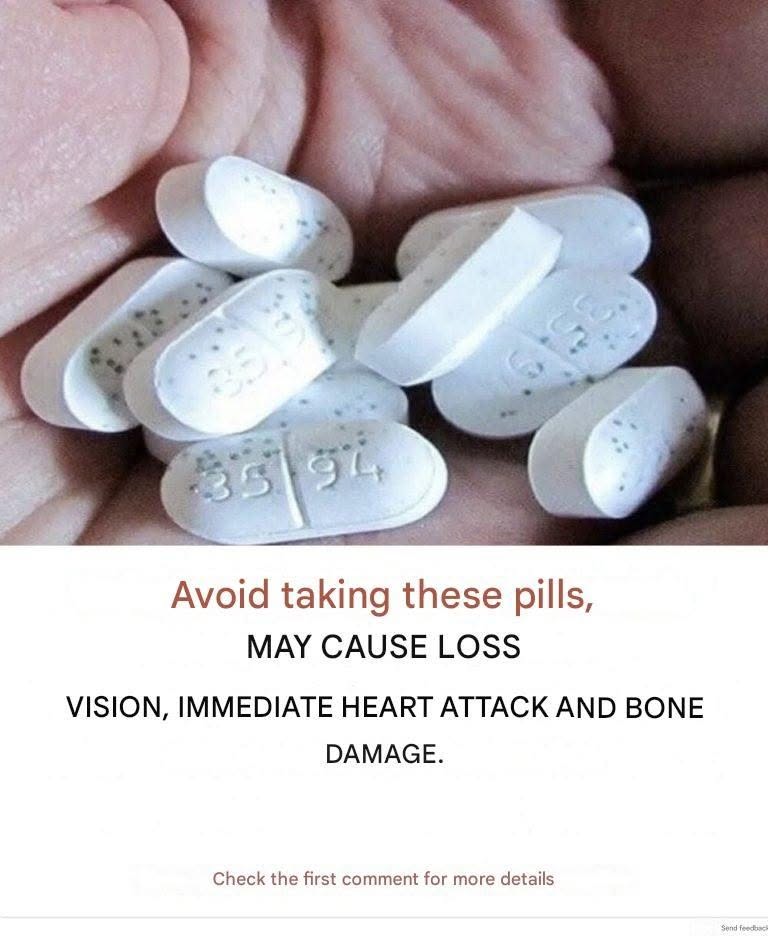
“Warning! These Tablets Can Cause Blood Clots and Heart Attacks” — What’s the Truth?
This type of headline is overly broad and often misleading. No medication should be assumed to cause blood clots or heart attacks in everyone. However, some medications can increase these risks in certain people, particularly depending on age, medical history, dose, and other risk factors.
Examples include:
1. Estrogen-containing birth control pills
These can increase the risk of blood clots, especially if you:
- Smoke
- Are over age 35
- Have obesity
- Have a personal or family history of blood clots
- Have certain inherited clotting disorders
2. Hormone replacement therapy (HRT)
Estrogen-containing HRT may increase the risk of blood clots and stroke in some people, though the risk varies with the type of hormone, dose, and whether it is taken by mouth or through the skin.
3. Some cancer treatments
Certain chemotherapy drugs and hormone therapies can increase the risk of blood clots.
4. Some immune-modulating medications
A few medicines used for autoimmune diseases or certain blood disorders carry warnings about blood clot risk, particularly at higher doses or in people with additional risk factors.
5. Some pain relievers (NSAIDs)
Examples:
- Ibuprofen
- Diclofenac
- High-dose naproxen (risk varies)
These medicines are not known for causing blood clots, but long-term or high-dose use may increase the risk of heart attack or stroke, particularly in people with existing cardiovascular disease.
Risk factors matter
Your overall risk depends on factors such as:
- Smoking
- High blood pressure
- High cholesterol
- Diabetes
- Obesity
- Older age
- Previous blood clots or heart disease
- Prolonged immobility
Warning signs of a blood clot
Seek urgent medical care if you develop:
- Swelling, pain, warmth, or redness in one leg
- Sudden shortness of breath
- Chest pain, especially if it worsens with breathing
- Coughing up blood
Warning signs of a heart attack
Call emergency services immediately if you have:
- Chest pressure, tightness, or pain
- Pain spreading to the arm, jaw, back, or shoulder
- Shortness of breath
- Cold sweat
- Nausea or lightheadedness
Bottom line: Some medications can increase the risk of blood clots or heart attacks in certain people, but most people should not stop a prescribed medication because of an online headline. If you’re concerned about a specific medicine, discuss your individual risks and benefits with your healthcare professional.
