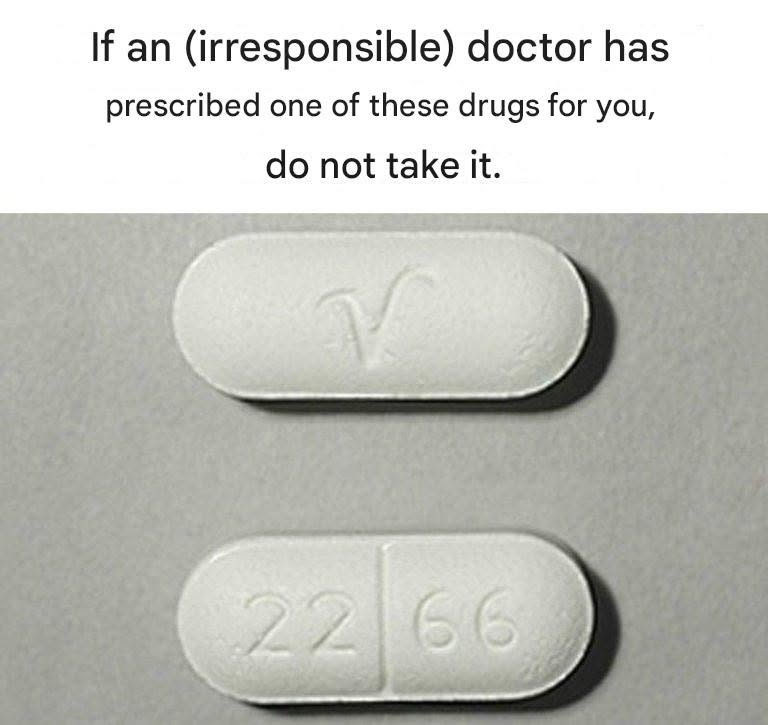
“If a Doctor Ever Prescribed You One of These Medications…” — Should You Be Worried?
Headlines like this are designed to grab attention. The fact that a medication has possible side effects does not mean it is unsafe or that you should stop taking it. Every prescription medication has potential risks, but it is prescribed because the expected benefits outweigh those risks for many people.
Medications that often appear in these articles
These are common examples of medicines that have important benefits but also require appropriate monitoring:
- Blood pressure medications – May cause dizziness, especially when starting treatment or after a dose increase.
- Blood thinners – Reduce the risk of stroke or dangerous blood clots but increase the risk of bleeding.
- Statins – Lower cholesterol and reduce the risk of heart attack and stroke. Some people experience muscle aches or, rarely, more serious muscle problems.
- NSAID pain relievers (such as ibuprofen and naproxen) – Can increase the risk of stomach bleeding, kidney problems, or heart-related events, particularly with long-term or high-dose use.
- Diabetes medications – Different types have different possible side effects, and some require monitoring of kidney function or blood sugar.
What you should do if you’re concerned
- Read the medication information that comes with your prescription.
- Take the medication exactly as prescribed.
- Tell your healthcare professional about any new symptoms or side effects.
- Inform them about all other medications and supplements you take, as interactions can occur.
Do not stop a prescribed medication suddenly unless instructed
Stopping some medications abruptly can be harmful. For example:
- Blood pressure medicines may lead to uncontrolled hypertension.
- Blood thinners can increase the risk of stroke or blood clots if stopped without guidance.
- Some antidepressants, steroids, and seizure medications can cause withdrawal symptoms or worsening of the underlying condition.
Seek immediate medical care if you develop:
- Difficulty breathing or swelling of the face, lips, or tongue
- Severe chest pain
- Signs of a stroke (face drooping, arm weakness, speech difficulty)
- Heavy or uncontrolled bleeding
- Loss of consciousness
Bottom line: An alarming headline is not a reason to stop a medication. If you have concerns about a specific prescription, the safest approach is to discuss it with the healthcare professional who prescribed it or your pharmacist. They can explain your personal risks and whether any changes are needed.
