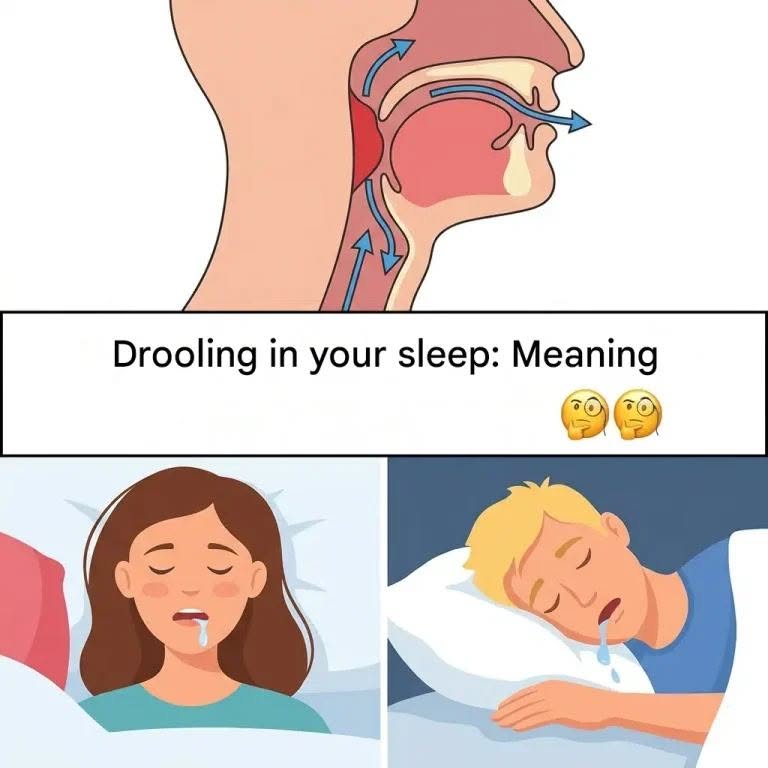
A damp pillow when you wake up can have several causes, and in many cases it’s not a sign of a serious illness. The location of the dampness often provides a clue.
Common possibilities include:
- Drooling during sleep: This is the most common cause. It can happen if you sleep on your side or stomach, have nasal congestion, allergies, or certain dental or neurological conditions.
- Night sweats: If the pillow is damp from sweat, it may be due to a warm room, heavy bedding, stress, hormonal changes (such as menopause), certain medications, or an infection.
- Mouth breathing: A blocked nose can cause mouth breathing and increased saliva leakage.
What you can do
- Keep your bedroom cool and use breathable bedding.
- If you have nasal congestion, treat the underlying cause (such as allergies or a cold).
- Stay hydrated and maintain good oral hygiene.
- If drooling is bothersome, adjusting your sleeping position may help.
When to seek medical advice
Consider seeing a healthcare professional if:
- Night sweats are frequent, severe, or soak your bedding.
- You have fever, unexplained weight loss, or swollen lymph nodes along with night sweats.
- Drooling is new, persistent, or accompanied by difficulty swallowing, weakness, or facial changes.
- You snore loudly, stop breathing during sleep, or are excessively sleepy during the day, as this could suggest sleep apnea.
A damp pillow is not your body’s secret message or proof of “toxins leaving your body,” despite what some viral posts claim. The cause is usually much more straightforward and often treatable.
