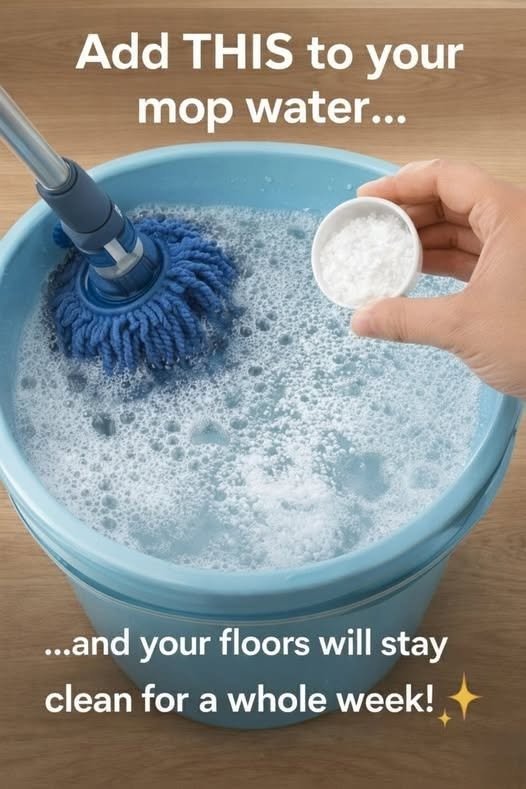
I Didn’t Believe This Floor Trick Until I Tried It… Now I’ll Never Go Back
Sometimes the simplest cleaning methods are the ones we ignore the most. That’s exactly what happened with this floor cleaning trick. At first, it sounded like another internet exaggeration—something that promises shiny, spotless floors using basic household ingredients. But after trying it once, the results were hard to ignore.
My floors looked brighter, felt cleaner underfoot, and had a fresh finish without expensive cleaners or harsh chemicals. What surprised me most was how little effort it actually took.
In this guide, I’ll explain the method, why it works, how to use it safely on different floor types, and how to get long-lasting results.
What Makes This Floor Cleaning Trick So Effective?
The secret behind this method is not a single magical ingredient—it’s the combination of gentle cleaning agents and natural degreasers that break down grime without damaging the surface.
Most DIY floor cleaning tricks rely on simple household ingredients like:
- Warm water (helps loosen dirt and grease)
- Mild dish soap (cuts through oily residue)
- White vinegar (helps dissolve mineral buildup and deodorize)
- Baking soda (works as a mild abrasive for stubborn stains)
When used correctly, these ingredients can clean deeply without leaving sticky residue behind.
Step-by-Step Floor Cleaning Method
Step 1: Remove Loose Dirt First
Start by sweeping or vacuuming the floor thoroughly. This prevents dirt from spreading during mopping and scratching the surface.
Step 2: Prepare the Cleaning Solution
Mix the following in a bucket of warm water:
- 1–2 tablespoons of mild dish soap
- ½ cup white vinegar (optional for odor and buildup control)
For extra tough stains, you can lightly sprinkle baking soda on specific spots before mopping.
Step 3: Mop the Floor Properly
Dip your mop into the solution, wring it out well, and clean the floor in sections. Avoid soaking the floor, especially if it’s wood or laminate.
Step 4: Spot Treat Stubborn Areas
For sticky or dark patches, gently scrub with a soft cloth or sponge using a little baking soda paste.
Step 5: Dry the Surface
Wipe the floor with a clean dry cloth or allow it to air dry. This step helps prevent streaks and water marks.
Why This Trick Works Better Than Regular Cleaning
Many commercial cleaners leave behind a thin layer of residue that can make floors look dull over time. This method works differently:
- Breaks down grease naturally
- Removes hidden dirt buildup
- Leaves no heavy chemical coating
- Restores natural shine
The result is a cleaner surface that actually feels fresh, not just looks clean.
Best Floor Types for This Method
This cleaning trick works well on:
- Tile floors
- Vinyl flooring
- Sealed stone floors
- Laminate (with minimal water use)
Be careful with:
- Unsealed wood floors (avoid excess moisture)
- Natural marble (vinegar may damage it if overused)
Always test a small area first.
Common Mistakes to Avoid
- Using too much vinegar (can damage some surfaces over time)
- Over-wetting wooden floors
- Skipping pre-sweeping or vacuuming
- Using harsh scrubbers that scratch the surface
Extra Tips for Long-Lasting Clean Floors
- Clean high-traffic areas more frequently
- Place mats at entrances to reduce dirt buildup
- Use microfiber mops for better dust capture
- Avoid walking on freshly cleaned floors until fully dry
- Add a few drops of essential oil for a fresh scent
Frequently Asked Questions
Does this floor cleaning trick really work?
Yes, for everyday dirt and light stains it works very well. It is especially effective for routine home cleaning.
Can I use it every day?
It’s better to use it 1–3 times per week depending on how dirty your floors get.
Will it replace commercial floor cleaners?
For most household cleaning, yes. But for deep stains or special surfaces, specialized cleaners may still be needed.
Final Thoughts
What makes this floor cleaning trick so impressive isn’t that it’s complicated—it’s that it’s simple, affordable, and surprisingly effective. With just a few common ingredients, you can refresh your floors and maintain a clean home without relying heavily on expensive chemical products.
Once you see the difference yourself, it’s easy to understand why so many people never go back to their old cleaning methods.
Source: Original home cleaning guide based on common household cleaning practices and safe DIY surface-care methods recommended by general home maintenance experts.
