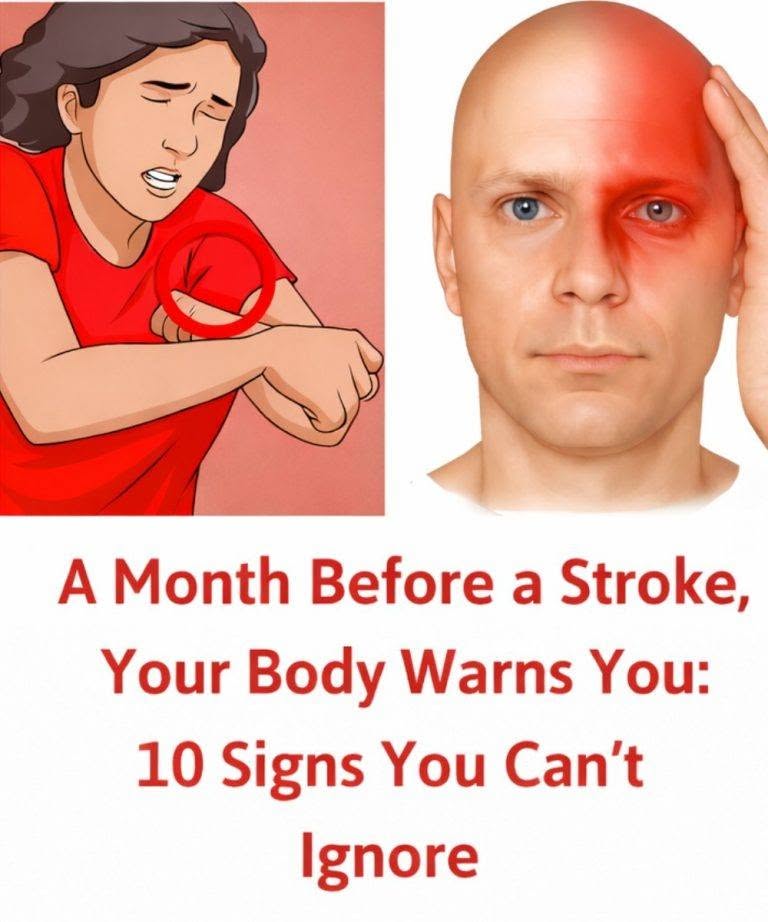
This kind of headline is designed to sound dramatic, but there’s a useful truth behind it: some people experience warning symptoms before a stroke, especially a “mini-stroke” (transient ischemic attack, or TIA). Others have no warning at all, so these signs should never be used as a guarantee—only as red flags.
A stroke happens when blood flow to the brain is blocked or reduced, often related to conditions like Type 2 Diabetes, high blood pressure, or vascular disease.
Here are 10 warning signs that may appear days to weeks before a stroke in some people:
1. Sudden weakness or numbness (even if it comes and goes)
Often affects one side of the face, arm, or leg.
This is one of the most important red flags.
2. Brief episodes of speech difficulty
Slurred speech, trouble finding words, or confusion that resolves quickly can indicate a TIA.
3. Short-lived vision problems
Blurred vision, double vision, or temporary loss of vision in one eye.
4. Sudden dizziness or loss of balance
Especially if it’s new or unexplained.
5. Unusual, severe headaches
A sudden, intense headache that feels different from normal headaches.
6. Episodes of confusion or disorientation
Short periods of not thinking clearly or getting easily confused.
7. Tingling or numbness that comes and goes
Especially on one side of the body.
8. Trouble walking or coordination issues
Feeling unsteady, dragging a foot, or difficulty controlling movement.
9. Sudden fatigue or weakness without reason
Not just tiredness—more like abrupt loss of energy or strength.
10. Mini-stroke (TIA) symptoms that resolve within minutes to hours
These are critical: symptoms disappear, but the risk of a full stroke is high in the following days or weeks.
Very important reality check
- Not everyone gets warning signs before a stroke
- Symptoms can happen suddenly without any prior warning
- A “month before” timeline is not reliable—some warnings occur hours or days before, not consistently weeks
When to act immediately
If any of these symptoms appear suddenly, even if they go away, it’s an emergency. Early treatment can prevent permanent brain damage.
A helpful rule is FAST:
- Face drooping
- Arm weakness
- Speech difficulty
- Time to call emergency services
If you want, I can also explain early stroke risk factors people ignore for years (that’s actually more useful for prevention than symptom lists like these).
