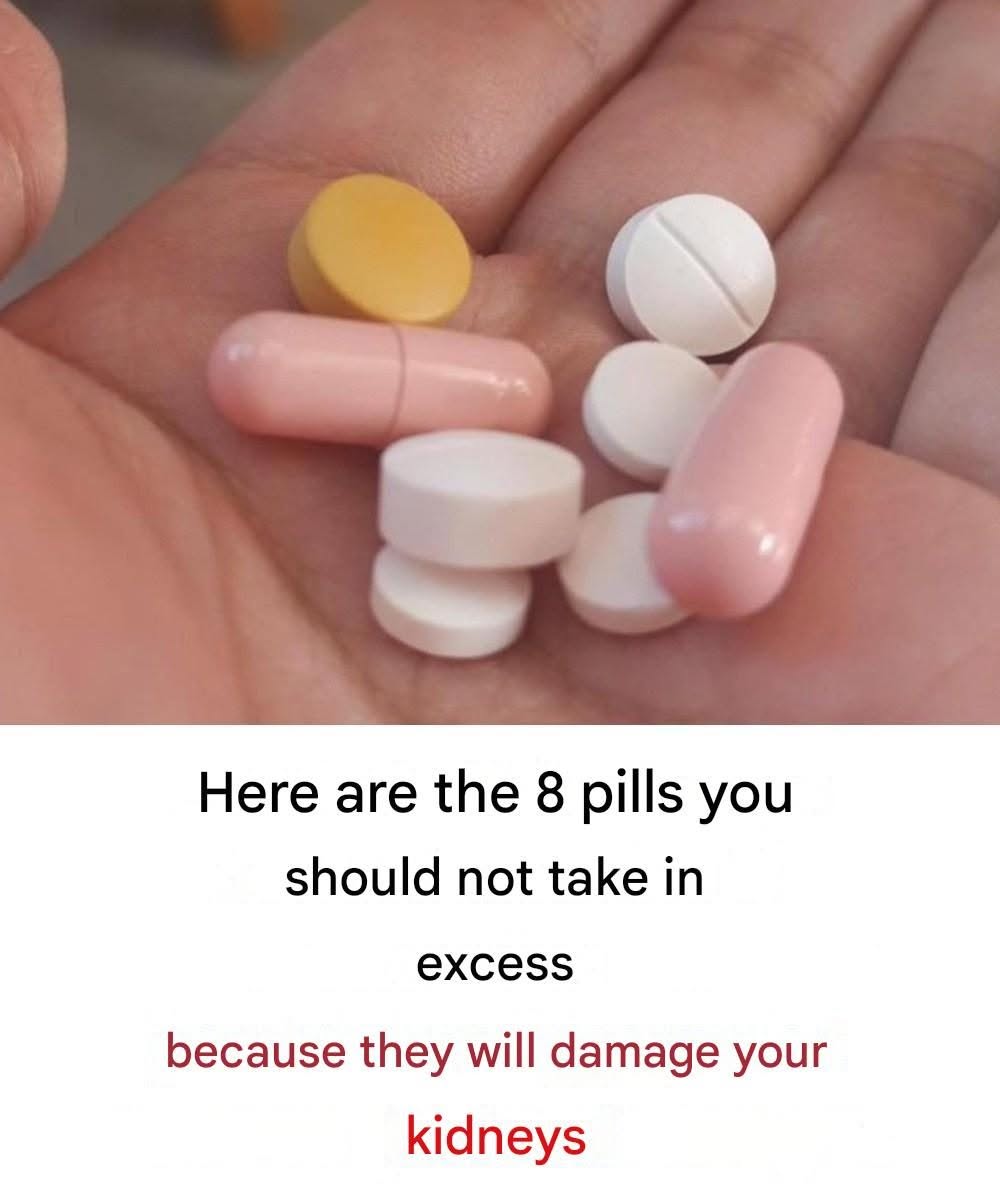
Eight Types of Medicines That Can Harm Your Kidneys (Especially When Misused)
Your kidneys filter waste and help balance fluids and minerals in your body. Some medicines are safe when used correctly but can strain or damage the kidneys, particularly with high doses, long-term use, dehydration, or in people who already have kidney problems.
1. Nonsteroidal anti-inflammatory drugs (NSAIDs)
Examples include ibuprofen and naproxen.
Risk: These medicines can reduce blood flow to the kidneys and may contribute to kidney injury, especially when taken frequently or at high doses.
2. Certain antibiotics
Some antibiotics can affect kidney function, especially in people with existing kidney disease.
Risk: Kidney irritation or injury may occur with certain drugs, doses, or treatment lengths.
3. Some blood pressure medicines
Certain medications that affect the renin-angiotensin system (such as ACE inhibitors and ARBs) can change kidney function.
Risk: They are often beneficial and kidney-protective in many patients, but kidney function and potassium levels may need monitoring.
4. Diuretics (“water pills”)
Used for conditions such as high blood pressure or heart failure.
Risk: They can contribute to dehydration or electrolyte changes, which may stress the kidneys if not monitored.
5. Proton pump inhibitors (PPIs)
Used for acid reflux and stomach acid problems.
Risk: Long-term use has been associated in some studies with kidney problems in certain people, though these medicines are helpful when appropriately prescribed.
6. Certain antiviral medications
Some antiviral drugs can affect kidney function.
Risk: Doctors may adjust doses based on kidney health.
7. Some chemotherapy medicines
Certain cancer treatments can be toxic to the kidneys.
Risk: Patients receiving these medicines are usually monitored closely.
8. Herbal supplements and “detox” products
Not all supplements are tested or regulated the same way as medicines.
Risk: Some may contain substances that can harm kidneys or interact with medications.
Protecting your kidneys
- Avoid taking medicines at higher doses or for longer than recommended.
- Tell your healthcare provider about all medicines and supplements you use.
- Stay hydrated, especially during illness or hot weather.
- Ask about kidney function testing if you take long-term medications or have risk factors such as diabetes or high blood pressure.
Important: Do not stop prescribed medication because of concerns about kidney effects without speaking with your healthcare professional. Many medicines that require monitoring are also important for protecting your health.
