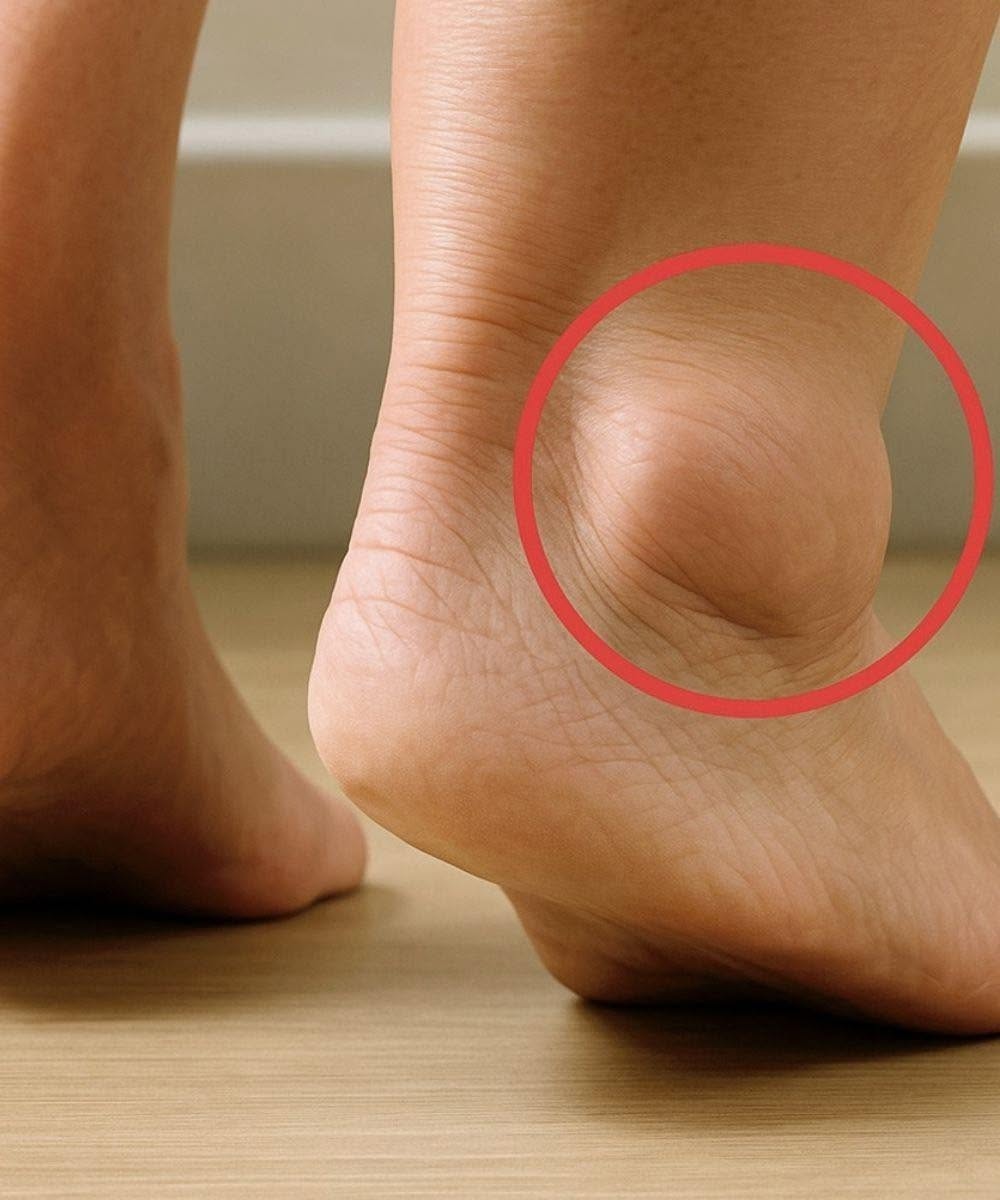
That sentence is incomplete, but it’s usually trying to point toward something like circulation problems or a serious medical condition. The truth is more nuanced:
🦵 Leg swelling (edema) can have many causes
Swollen legs don’t automatically mean one specific disease. Common causes include:
💧 1. Fluid buildup (most common)
- Standing or sitting for long periods
- High salt intake
- Heat or dehydration imbalance
- Mild vein circulation issues
❤️ 2. Heart-related issues
Swelling in both legs can sometimes be linked to heart problems, especially when the heart doesn’t pump efficiently.
🩸 3. Vein problems
Weak vein valves can cause blood to pool in the legs (chronic venous insufficiency).
🫘 4. Kidney-related issues
When the kidneys don’t remove enough fluid, swelling can occur. This may be seen in conditions like Chronic Kidney Disease.
🧬 5. Liver or protein imbalance
Low protein levels or liver disease can also lead to fluid leakage into tissues.
💊 6. Medications
Some medicines can cause swelling, such as:
- Blood pressure drugs (like calcium channel blockers)
- Steroids
- Anti-inflammatory medications
🚨 7. Blood clot (important to rule out)
If swelling is:
- In one leg only
- Painful, warm, or red
it could be a deep vein clot (DVT), which needs urgent medical attention.
⚠️ When leg swelling is more concerning
Seek medical advice if you notice:
- Sudden or worsening swelling
- Shortness of breath or chest pain
- One-sided swelling with pain
- Swelling that doesn’t improve with rest
✔️ Bottom line
Swollen legs are a symptom, not a diagnosis. They can range from harmless fluid retention to signs of heart, vein, kidney, or liver issues—so context and other symptoms matter a lot.
If you want, you can tell me:
- Is it one leg or both?
- How long it’s been happening?
I can help you narrow down the most likely cause.
