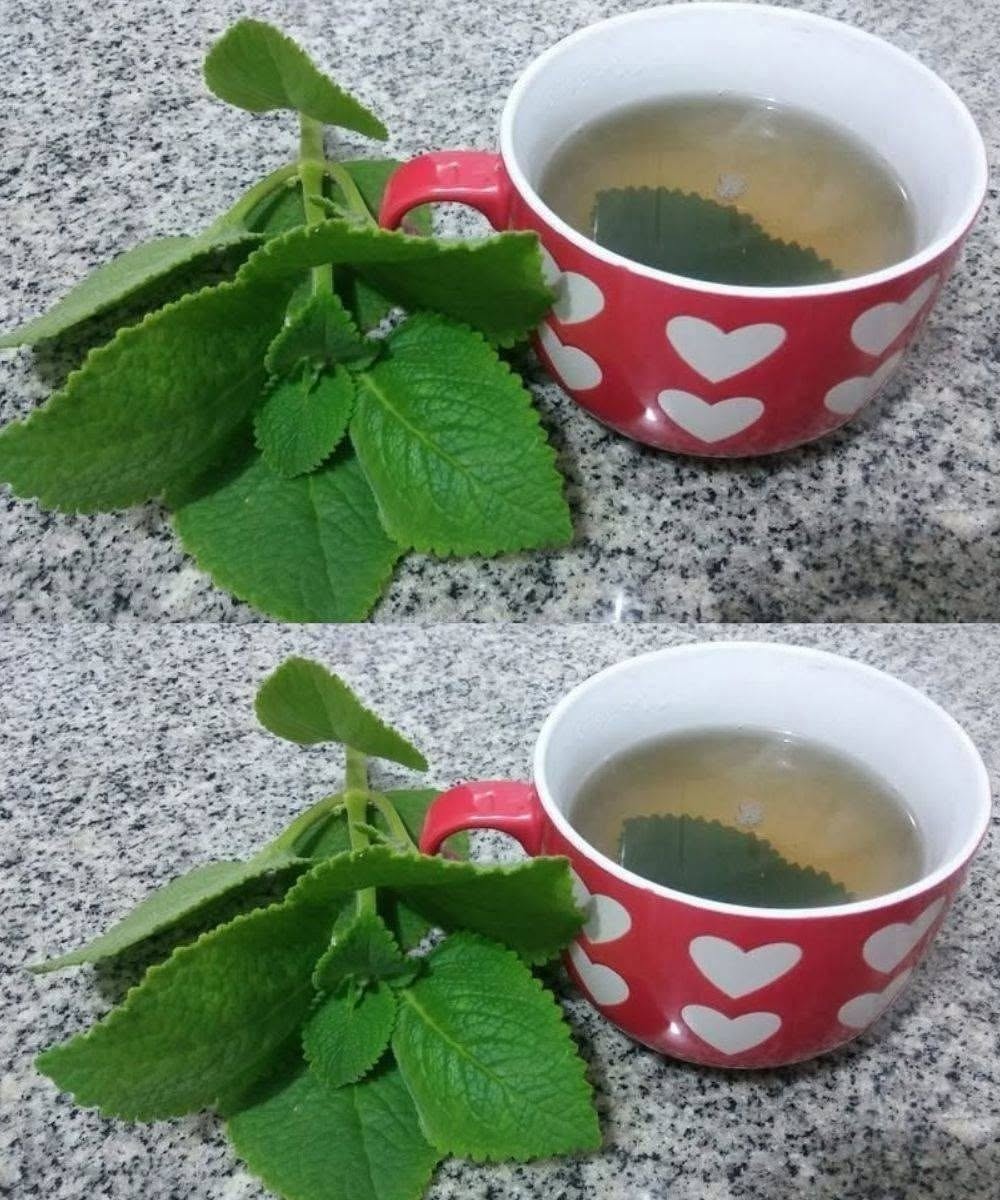
The claim “Just one oregano leaf a day and you won’t suffer from…” is not supported by scientific evidence. No single herb or food can prevent all illnesses or guarantee good health.
That said, oregano is a flavorful herb that contains antioxidants and plant compounds such as carvacrol and thymol, which have shown antimicrobial and anti-inflammatory properties in laboratory studies. Including oregano as part of a balanced diet may offer some nutritional benefits, but it is not a proven treatment or preventive measure for diseases.
Potential benefits of oregano
- Adds flavor without extra salt.
- Provides antioxidants.
- Contains compounds with antimicrobial activity in laboratory research.
- May contribute to a healthy diet when used regularly in cooking.
What oregano cannot do
- Prevent or cure infections on its own.
- Replace antibiotics, antiviral medications, or other prescribed treatments.
- Eliminate chronic conditions such as diabetes, arthritis, or heart disease.
Safety
Oregano used in normal culinary amounts is generally safe for most people. Concentrated oregano oil supplements can cause side effects and may interact with some medications, including blood thinners.
The best way to reduce your risk of chronic disease is through a combination of healthy eating, regular physical activity, adequate sleep, avoiding tobacco, limiting alcohol, and following recommended medical care—not by relying on a single herb.
