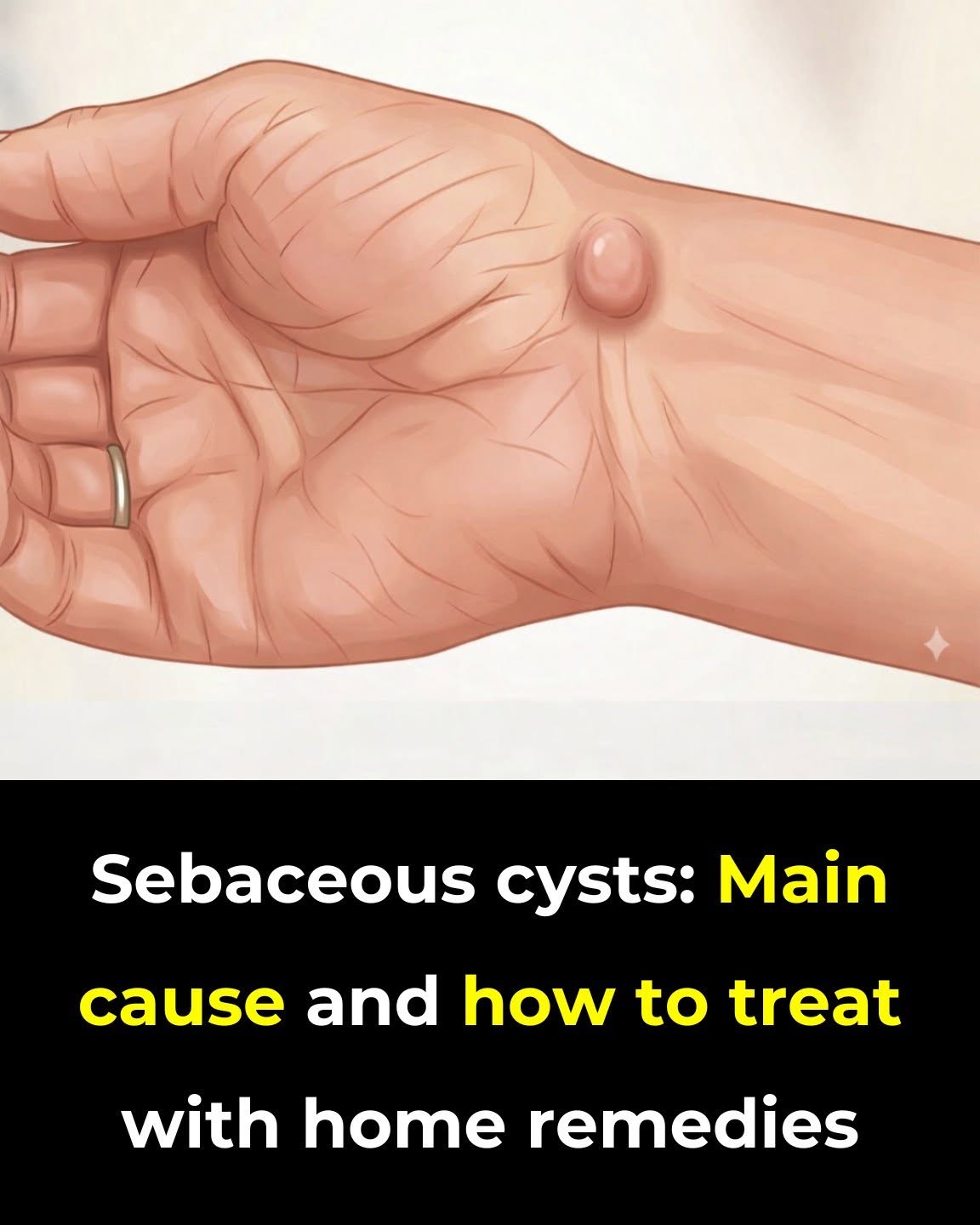
A sebaceous cyst is a common, usually harmless lump under the skin. The medical term is more often epidermoid cyst, which is slightly different from the old name but commonly used interchangeably.
Sebaceous cyst forms when skin cells (or oil/keratin material) get trapped under the skin and build up into a small sac.
Main causes
Most sebaceous/epidermoid cysts develop slowly and for no clear reason, but common triggers include:
- Blocked hair follicles or skin pores
- Skin trauma (cuts, acne, or irritation)
- Swollen hair follicle or oil gland
- Genetic tendency in some people
- Conditions like acne or oily skin
They are not usually caused by poor hygiene.
Typical signs
- Round, smooth lump under the skin
- Slow-growing
- May have a small central “black dot”
- Usually painless unless infected
- Can become red, swollen, or tender if inflamed
Home care (what you can safely do)
Home remedies cannot remove the cyst permanently, but they can help with comfort:
- Warm compress: Apply 10–15 minutes, 2–3 times daily to reduce swelling or encourage drainage if inflamed
- Keep area clean: Mild soap and water
- Avoid squeezing or popping: This can cause infection or scarring
- Pain relief: Over-the-counter pain medication if needed (follow label instructions)
What NOT to do
- Don’t try to cut it open at home
- Don’t aggressively squeeze it
- Don’t apply harsh chemicals or “black salve” type remedies
These can lead to infection or worsen inflammation.
Medical treatment options
If a cyst is painful, growing, or keeps coming back, a doctor may:
- Drain it if infected
- Inject medication to reduce inflammation
- Surgically remove the entire cyst (this is the only way to prevent recurrence)
When to see a doctor
Seek medical help if:
- It becomes red, hot, or very painful
- It starts leaking pus or foul-smelling fluid
- It grows quickly
- You’re unsure whether it’s actually a cyst
If you want, you can describe the lump (size, location, pain level), and I can help you judge whether it sounds like a cyst or something else that needs a different approach.
