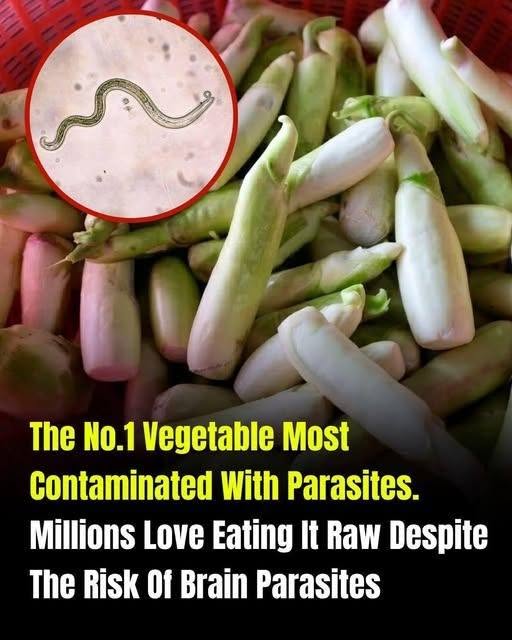
The headline “The Vegetable Most Likely To Carry Parasites Is Also One Many People Love Eating Raw” is a common food-safety scare style claim. The reality is more nuanced: no single vegetable is guaranteed to be the “most likely” to contain parasites, but some raw produce can carry parasites, bacteria, or other contaminants if it is grown, harvested, washed, or handled under unsafe conditions.
A vegetable often mentioned in these discussions is lettuce and other leafy greens because they:
- Are commonly eaten raw.
- Have many folds and surfaces where soil or contaminated water can cling.
- Are difficult to wash perfectly.
Other raw vegetables that can sometimes be associated with contamination risks include:
- Fresh herbs (such as cilantro/parsley)
- Leafy greens
- Raw sprouts (such as alfalfa or mung bean sprouts)
- Root vegetables eaten raw if not cleaned well
How parasites or germs can get onto vegetables
Contamination may occur through:
- Soil containing animal or human waste
- Contaminated irrigation water
- Improper handling during processing
- Cross-contamination in kitchens
How to reduce risk when eating raw vegetables
- Wash produce thoroughly under running water.
- Rub firm produce while rinsing.
- Remove outer leaves of leafy vegetables.
- Keep raw produce separate from raw meat and seafood.
- Refrigerate promptly.
- Be especially careful if you are pregnant, elderly, very young, or immunocompromised.
Bottom line
Raw vegetables can be healthy and safe when handled properly. The idea that one beloved vegetable is uniquely “full of parasites” is an exaggeration; the real issue is food handling and hygiene, not the vegetable itself.
