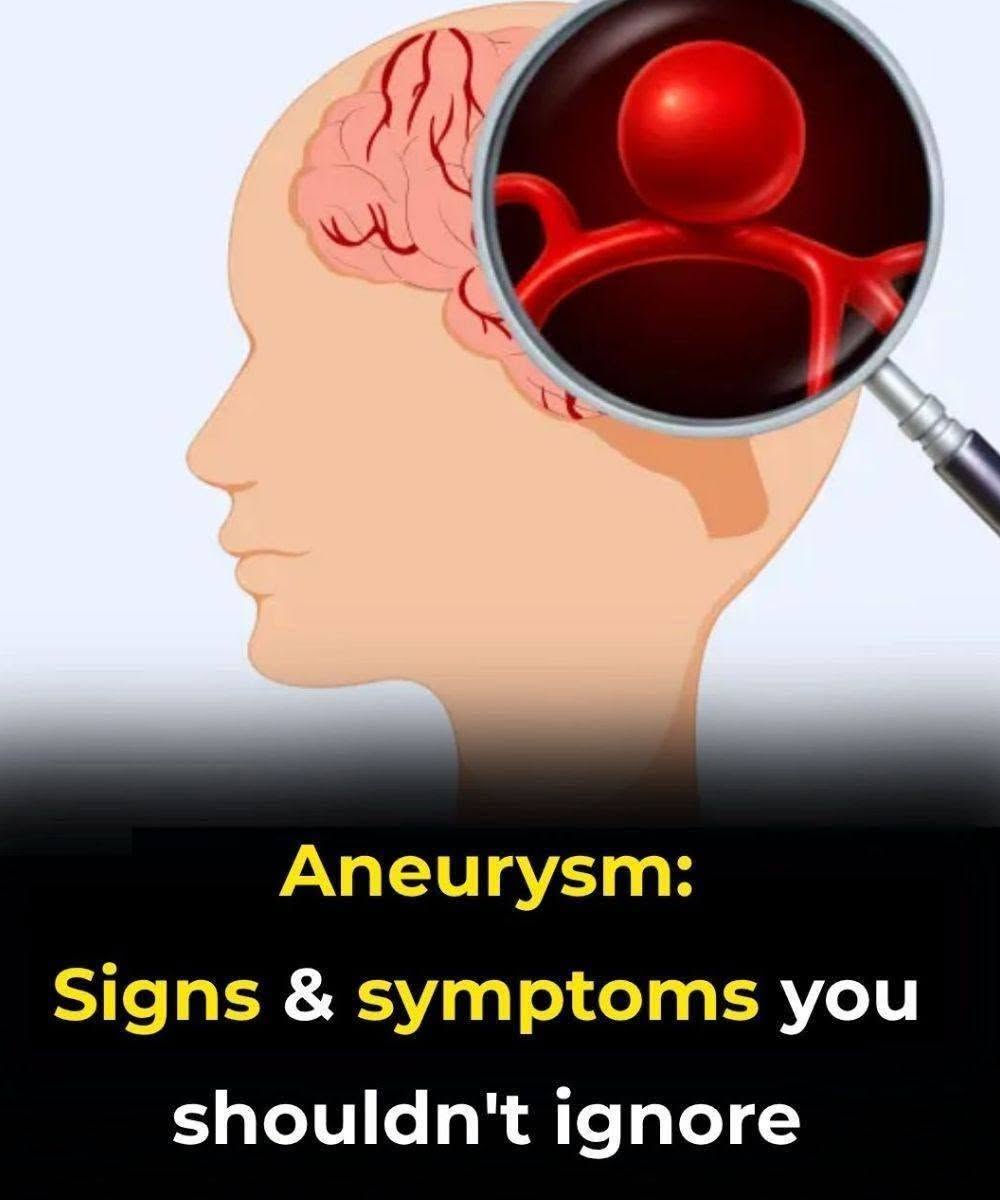
Aneurysm: Signs You Shouldn’t Ignore
An aneurysm is a weakened area in the wall of a blood vessel that causes it to bulge or enlarge. Many aneurysms cause no symptoms and may only be found during imaging tests, but some can become dangerous if they grow or rupture.
Knowing the warning signs can help you seek medical care quickly.
Possible Warning Signs of an Aneurysm
1. Sudden, severe headache
A sudden “worst headache of your life” may be a warning sign of a ruptured brain aneurysm and requires emergency attention.
2. Vision changes
Aneurysms near the brain can sometimes cause:
- Blurred vision
- Double vision
- Loss of vision
- A drooping eyelid
3. Neck stiffness or pain
A ruptured brain aneurysm may cause neck stiffness, especially along with a severe headache.
4. Nausea and vomiting
These symptoms can occur with bleeding around the brain, particularly when combined with sudden headache or neurological symptoms.
5. Loss of consciousness or confusion
Fainting, confusion, extreme drowsiness, or changes in awareness may indicate a serious complication.
6. Weakness, numbness, or trouble speaking
These may be signs of pressure on brain structures or stroke-like effects and require urgent evaluation.
7. Chest or upper back pain
An aneurysm involving the aorta (the body’s largest artery) may cause severe pain in the chest, back, or between the shoulder blades.
8. A pulsing feeling in the abdomen
Some abdominal aortic aneurysms may cause a noticeable pulsating sensation near the belly button, although many have no symptoms.
9. Deep abdominal or back pain
Persistent or sudden abdominal/back pain can be a warning sign, especially in people at higher risk.
10. Shortness of breath or difficulty swallowing
Large aneurysms in the chest area can sometimes press on nearby structures.
Seek Emergency Help Immediately If You Have:
- Sudden, intense headache
- Sudden weakness on one side of the body
- Trouble speaking
- Fainting or collapse
- Severe chest, abdominal, or back pain
- Signs of shock (pale skin, rapid heartbeat, severe weakness)
Who Has a Higher Risk of Aneurysm?
Risk can be higher with:
- High blood pressure
- Smoking history
- Older age
- Family history of aneurysms
- Certain inherited conditions affecting connective tissue
- High cholesterol and vascular disease
Prevention and Monitoring
You can reduce risk by:
- Managing blood pressure
- Avoiding smoking
- Exercising regularly
- Following a heart-healthy diet
- Getting recommended screenings if you are at increased risk
Many aneurysms are treatable when found before they become emergencies. If you experience sudden or severe symptoms, especially neurological symptoms or intense chest/back pain, seek urgent medical care.
