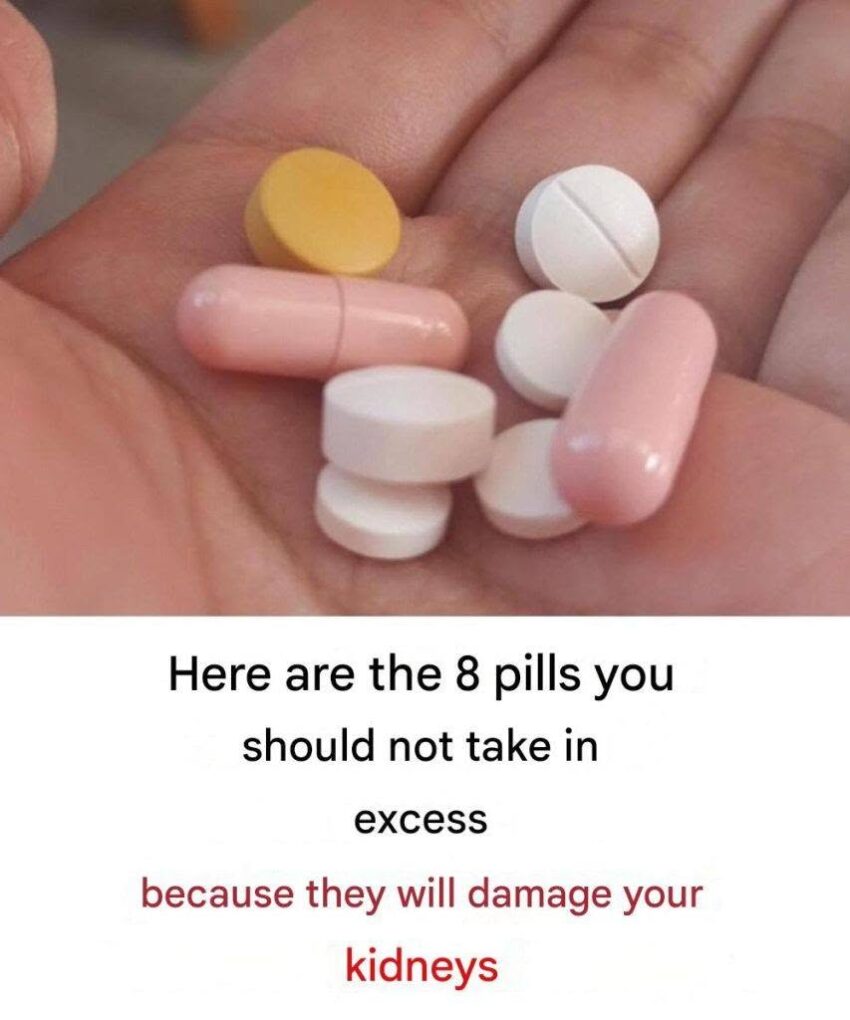
Eight Types of Medicines That May Affect Your Kidneys
The claim that there are “eight pills you should never take” is an oversimplification. Many medicines that can affect kidney function are safe and necessary when prescribed and monitored properly. The risk depends on factors such as your kidney health, age, dose, other medications, and hydration.
1. NSAID pain relievers
Examples:
- Ibuprofen
- Naproxen
- Diclofenac
Frequent or high-dose use may reduce blood flow to the kidneys, especially in people with kidney disease, dehydration, or heart problems.
2. Certain antibiotics
Some antibiotics can affect kidney function or require dose adjustments if your kidneys are not working well. Doctors may monitor kidney tests in higher-risk patients.
3. Proton pump inhibitors (PPIs)
Examples:
- Omeprazole
- Pantoprazole
Long-term use has been associated with kidney problems in some studies, though these medications are beneficial for many people when appropriately prescribed.
4. Diuretics (“water pills”)
Examples:
- Furosemide
- Hydrochlorothiazide
These medicines help control blood pressure and fluid buildup, but excessive fluid loss can contribute to kidney stress or electrolyte problems.
5. Lithium
Used for certain mental health conditions, lithium can affect kidney function over time and requires regular blood tests.
6. Certain antiviral medicines
Some antiviral drugs are removed from the body through the kidneys and may need careful dosing.
7. Some chemotherapy medications
Certain cancer treatments can affect the kidneys, so kidney function is often checked during treatment.
8. Some herbal remedies and high-dose supplements
Certain supplements may contain ingredients that can harm the kidneys or interact with medications.
How to protect your kidneys:
✅ Take medications exactly as prescribed
✅ Avoid frequent use of over-the-counter pain medicines unless advised
✅ Tell your healthcare professional about every supplement you take
✅ Keep blood pressure and diabetes under control
✅ Have kidney tests when recommended
Contact a healthcare professional if you notice:
- Much less urine than usual
- Blood in your urine
- New swelling in your feet, ankles, or face
- Severe fatigue
- Persistent nausea or confusion
Do not stop a prescribed medication because of an online warning. If you take a specific medicine and are worried about kidney effects, a healthcare professional can review your personal risks and recommend the safest approach.
