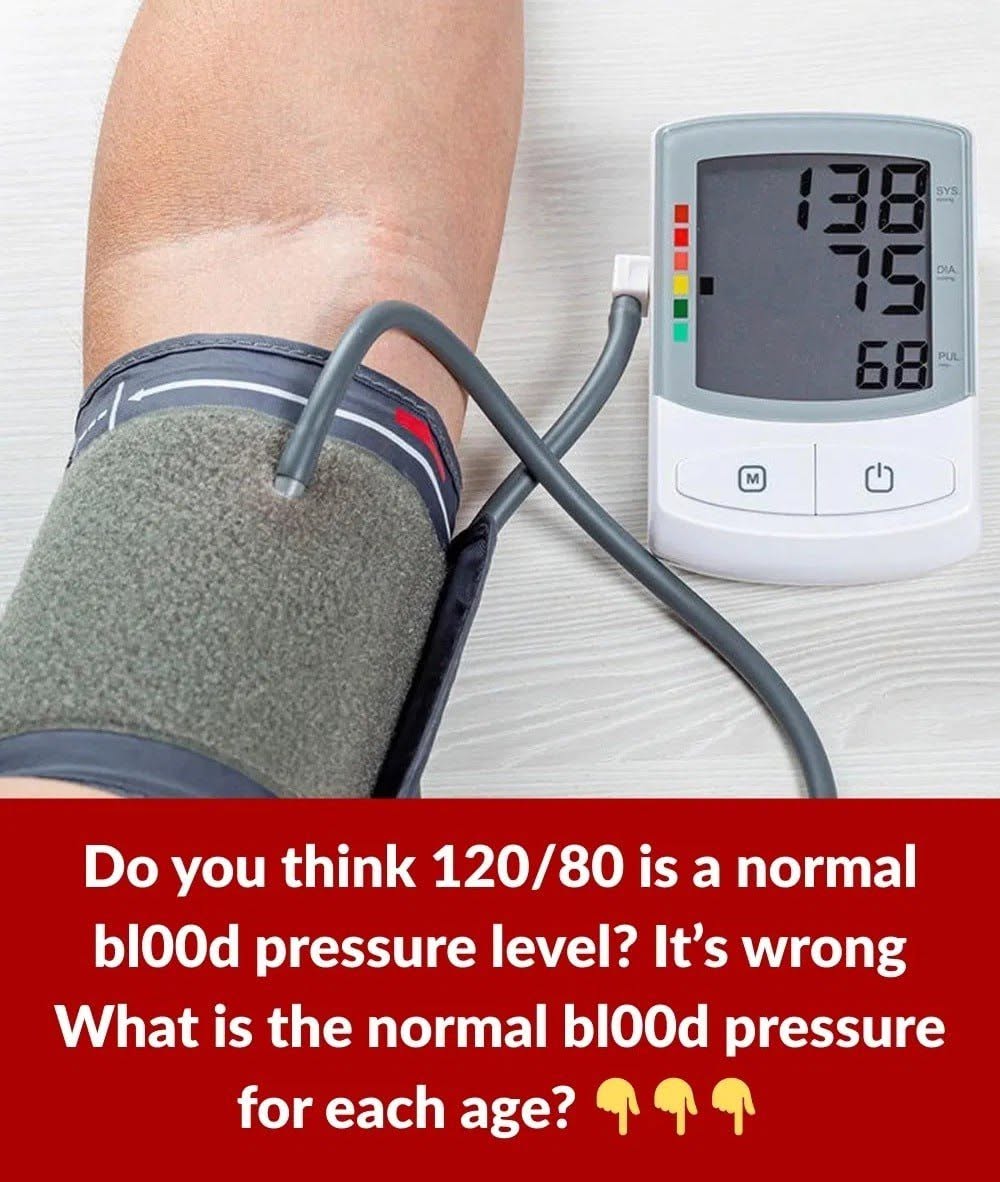
Everyone Has Made This Mistake: What Is the Normal Blood Pressure for Each Age?
A common misconception is that there is a different “normal” blood pressure number for every age. In reality, healthy blood pressure targets are not simply determined by age. Blood pressure goals depend on your overall health, medical conditions, medications, and risk factors.
Blood pressure is measured as:
- Systolic pressure (top number): pressure when the heart beats
- Diastolic pressure (bottom number): pressure when the heart relaxes
A commonly used healthy target for many adults is around 120/80 mmHg, but individual targets may differ.
General Blood Pressure Categories for Adults
| Blood Pressure Reading | Category |
|---|---|
| Less than 120/80 mmHg | Normal |
| 120–129 and less than 80 | Elevated |
| 130–139 or 80–89 | High blood pressure (Stage 1) |
| 140 or higher or 90 or higher | High blood pressure (Stage 2) |
| 180 or higher and/or 120 or higher | Hypertensive crisis — needs urgent attention |
Blood Pressure by Age: General Considerations
Ages 18–39
- Often around the normal adult range (approximately 120/80 or lower)
- High readings should not be dismissed as “normal for age”
Ages 40–59
- Blood pressure may gradually rise due to changes in blood vessels and lifestyle factors
- Regular monitoring becomes increasingly important
Ages 60–79
- Many older adults need careful blood pressure control
- Doctors often consider overall health, fall risk, kidney function, and other conditions when setting goals
Age 80+
- Blood pressure targets are individualized
- Avoiding both very high pressure and excessive lowering (which can cause dizziness or falls) is important
Factors That Affect Blood Pressure More Than Age Alone
- Genetics
- Weight
- Physical activity
- Salt intake
- Stress
- Sleep quality
- Smoking
- Kidney health
- Diabetes
- Heart disease
- Medications
When to Be Concerned
Seek medical advice if:
- Your readings are repeatedly 130/80 or higher
- Your blood pressure is 180/120 or higher, especially with symptoms such as chest pain, shortness of breath, weakness, confusion, or severe headache
- You experience dizziness, fainting, or unusual symptoms after blood pressure changes
How to Get an Accurate Reading
- Rest quietly for 5 minutes before measuring
- Sit with your back supported and feet flat on the floor
- Keep your arm supported at heart level
- Avoid caffeine, exercise, and smoking shortly before checking
Bottom line: There is no single “perfect” blood pressure number for every age. The healthiest range is determined by your personal medical situation, not your birthday alone. Regular monitoring and discussion with a healthcare professional are the best ways to know what target is right for you.
