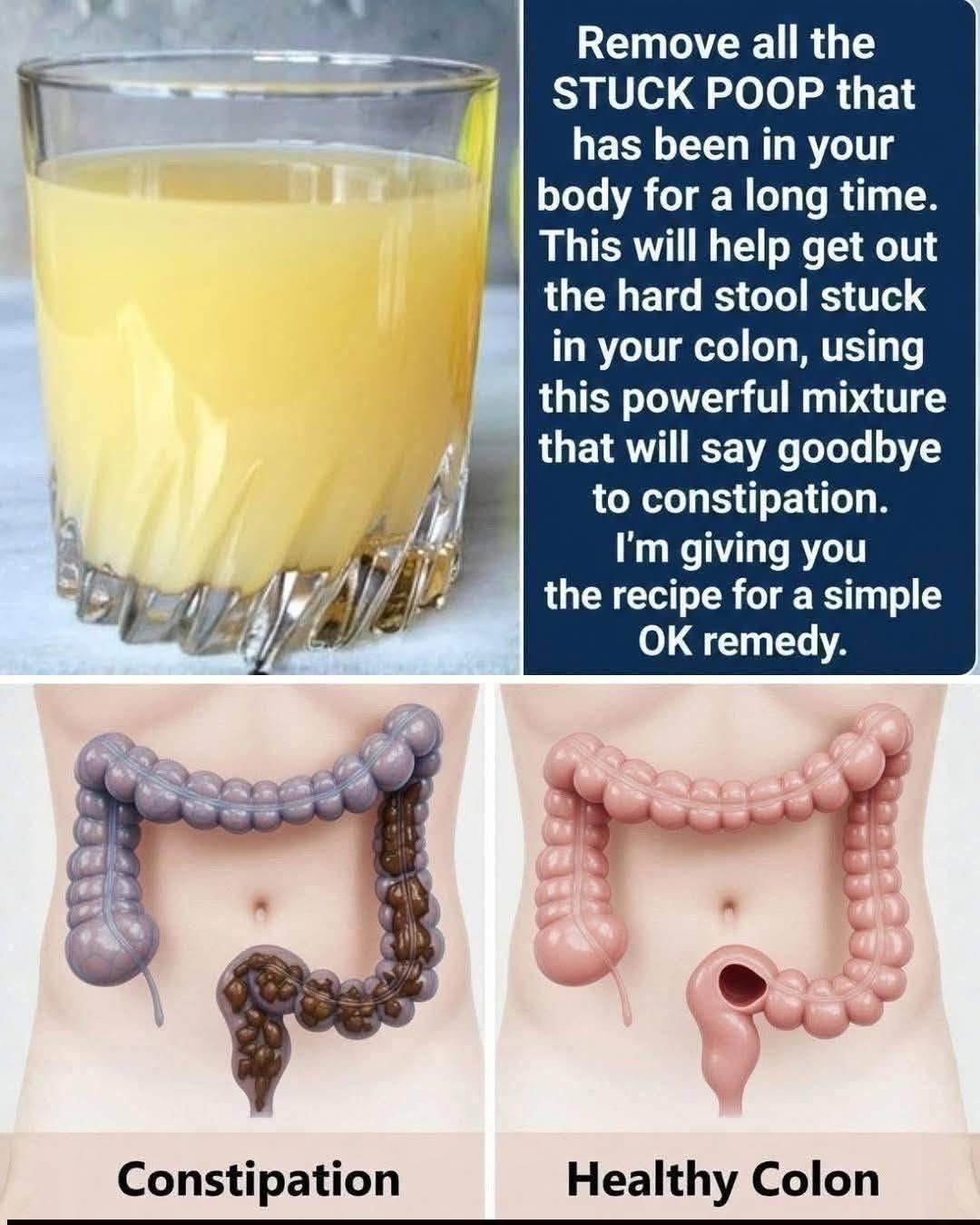
Claims like “get rid of all the stuck poop you’ve had in your body for years” or “remove the gum you swallowed as a child” are myths.
Here’s what the evidence shows:
- Your colon does not normally store years’ worth of stool. In healthy digestion, waste moves through the intestines and is eliminated regularly.
- Swallowed gum does not stay in your stomach or intestines for years. While gum itself isn’t fully digested, it usually passes through the digestive tract and is excreted within a few days, just like other indigestible material.
- There is no drink or “powerful mixture” that flushes out old, accumulated stool from a healthy digestive system.
If you’re dealing with constipation
These approaches are supported by evidence:
- Increase your intake of fiber (fruits, vegetables, whole grains, beans) gradually.
- Drink enough fluids throughout the day.
- Stay physically active.
- Try to use the bathroom when you feel the urge instead of delaying it.
If these measures aren’t enough, some over-the-counter treatments, such as polyethylene glycol (PEG) or psyllium fiber, may help. The best option depends on the cause of the constipation and any other medical conditions you have.
When to seek medical care
See a healthcare professional promptly if constipation is accompanied by:
- Blood in the stool
- Severe or worsening abdominal pain
- Persistent vomiting
- Unexplained weight loss
- Fever
- Constipation lasting several weeks despite self-care
- Inability to pass stool or gas along with abdominal swelling
While “colon cleanses” and detox mixtures are widely advertised, there is no good evidence that they remove years of accumulated waste in healthy people, and some can cause dehydration or electrolyte imbalances. A balanced diet, adequate hydration, regular exercise, and appropriate treatment for constipation are safer and more effective ways to support digestive health.
