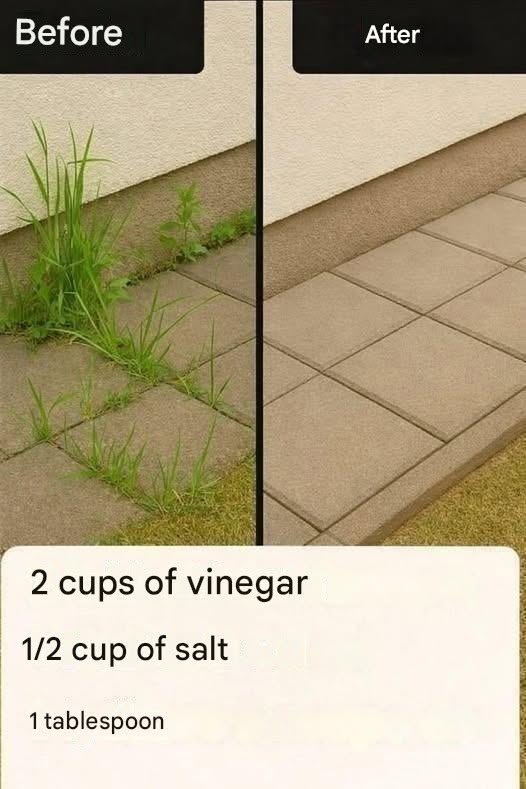
How to Make a Homemade Herbicide: What Works and What to Know
Many homemade weed-killer recipes are shared online, but there is no guaranteed homemade herbicide that kills every weed permanently. Some mixtures can damage leaves quickly, while others may harm soil or nearby plants.
A Simple Homemade Weed Spray for Small Areas
You’ll need:
- White vinegar
- A few drops of liquid dish soap
How it works:
- Vinegar contains acetic acid, which can dry out and damage the leaves of many young weeds.
- Dish soap helps the liquid stick to the plant surface.
How to use it:
- Choose a dry, sunny day.
- Spray directly onto the leaves of unwanted weeds.
- Avoid spraying plants you want to keep.
- Allow time for the plant to show signs of stress.
Important cautions:
- Vinegar sprays often work best on small, young weeds.
- Deep-rooted perennial weeds may grow back because the roots remain alive.
- Avoid using salt-based weed killers in gardens or lawns because salt can damage soil and prevent future plant growth.
- Do not spray near vegetables, flowers, or grass unless you are sure they will not be harmed.
For longer-lasting weed control:
✅ Pull weeds out by the roots when possible
✅ Apply mulch to block sunlight and reduce new growth
✅ Remove weeds before they produce seeds
✅ Maintain healthy ground cover to reduce open space for weeds
A homemade spray can be useful for places like driveways, sidewalks, and cracks, but a weed-free garden usually requires prevention and ongoing maintenance rather than a single treatment.
