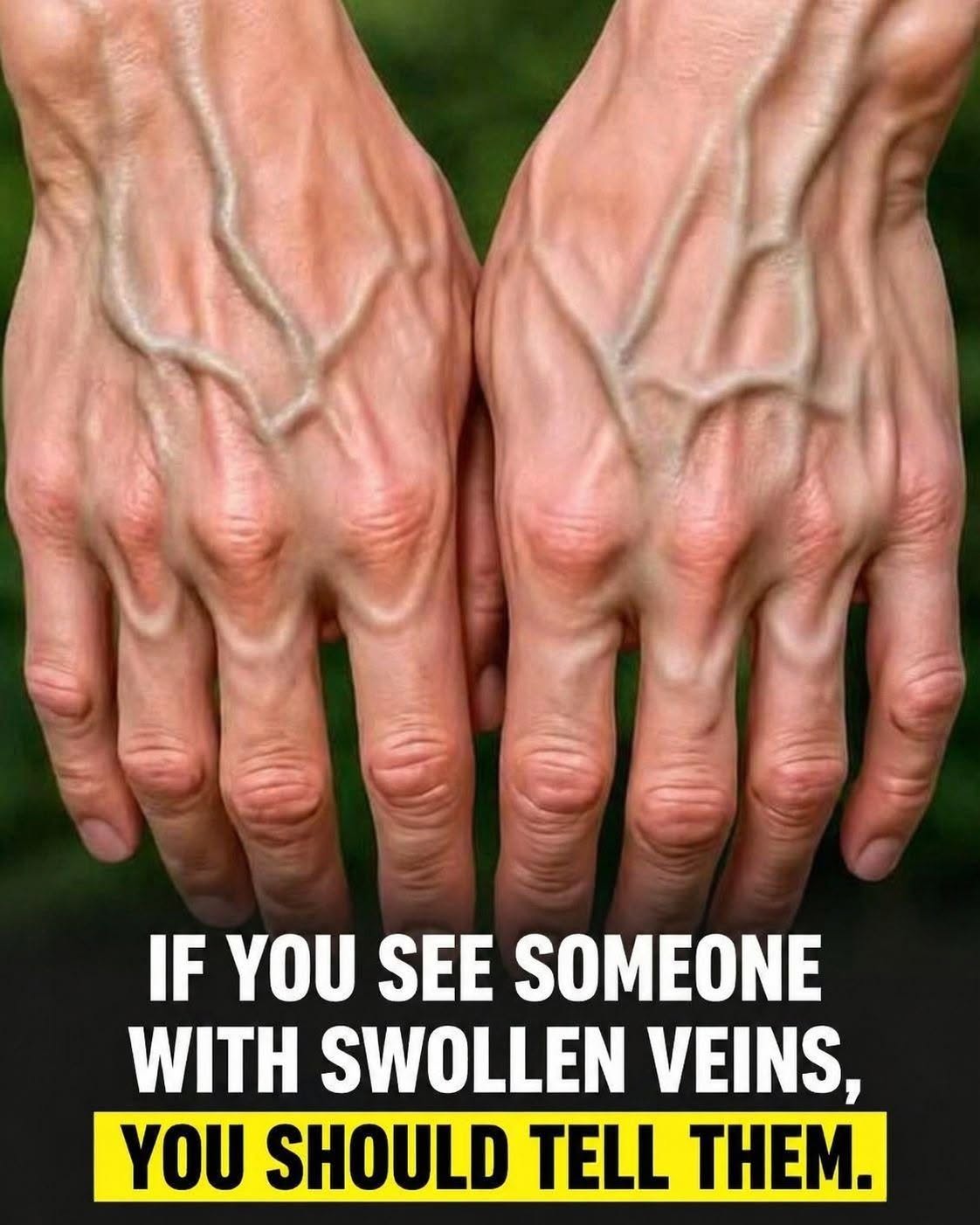
Visible veins do not usually mean there’s something wrong. For many people, they’re a normal variation and are influenced by factors such as:
- Fair or thin skin, which makes veins easier to see.
- Low body fat, so there’s less tissue covering the veins.
- Exercise, especially strength training, which can temporarily make veins more prominent.
- Age, as skin becomes thinner over time.
- Warm temperatures, which cause veins to widen.
However, if visible veins are accompanied by symptoms such as:
- Pain or tenderness
- Swelling
- Redness or warmth
- Bulging, twisted veins
- Skin discoloration or sores near the ankles
they could be a sign of conditions such as varicose veins or chronic venous insufficiency, and it’s worth discussing them with a healthcare professional.
So, the claim “If your veins are visible, it means you are…” is incomplete and often misleading. In most cases, visible veins are simply a normal feature of your body rather than a sign of a specific health condition. If you have other symptoms or are concerned about a sudden change in your veins, a medical evaluation is appropriate.
