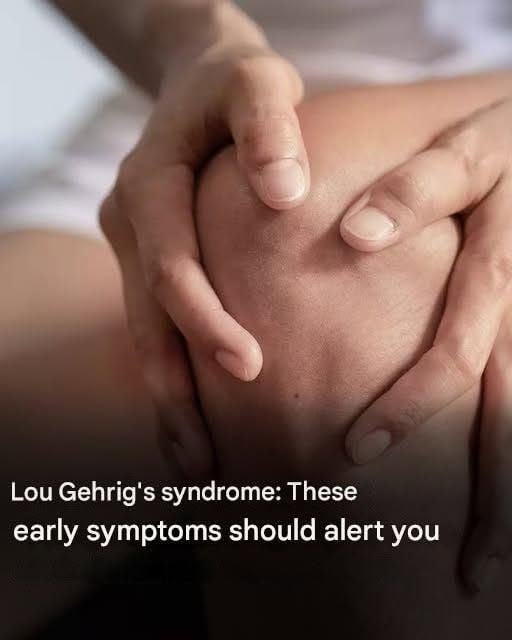
Lou Gehrig’s Disease (ALS): Early Symptoms to Know
Lou Gehrig’s disease is the common name for amyotrophic lateral sclerosis (ALS), a progressive neurological disease that affects the nerve cells responsible for controlling voluntary muscle movement. It is named after the famous baseball player Lou Gehrig, who was diagnosed with the condition.
Early symptoms can be subtle and may vary from person to person. Some possible early signs include:
1. Muscle weakness
- Weakness in a hand, arm, leg, or one side of the body may be an early sign.
- People may notice difficulty with tasks such as gripping objects, buttoning clothes, or walking.
2. Muscle twitching (fasciculations)
- Small, involuntary muscle twitches may occur, often in the arms, legs, shoulders, or tongue.
3. Muscle cramps and stiffness
- Frequent cramps, tightness, or stiffness can appear before more obvious weakness develops.
4. Clumsiness or loss of coordination
- Dropping things, tripping, or difficulty with fine movements may occur.
5. Changes in speech
- Slurred speech, a quieter voice, or difficulty pronouncing words can be early signs in some people.
6. Difficulty swallowing
- Some people develop problems moving food or liquids safely through the throat.
7. Fatigue and reduced endurance
- A person may notice they tire more easily during activities.
Important:
These symptoms do not mean someone has ALS. Many other, more common conditions can cause similar symptoms, including nerve compression, vitamin deficiencies, thyroid disorders, medication effects, or other neurological problems.
When to seek medical advice:
Consider seeing a healthcare professional if you have:
- Progressive muscle weakness
- Persistent twitching combined with weakness
- Increasing difficulty walking, speaking, or swallowing
- Symptoms that continue to worsen over weeks or months
A neurologist can evaluate symptoms with a physical exam and, if needed, tests such as nerve studies or imaging to determine the cause. Early evaluation is important whenever there are ongoing or progressive neurological changes.
