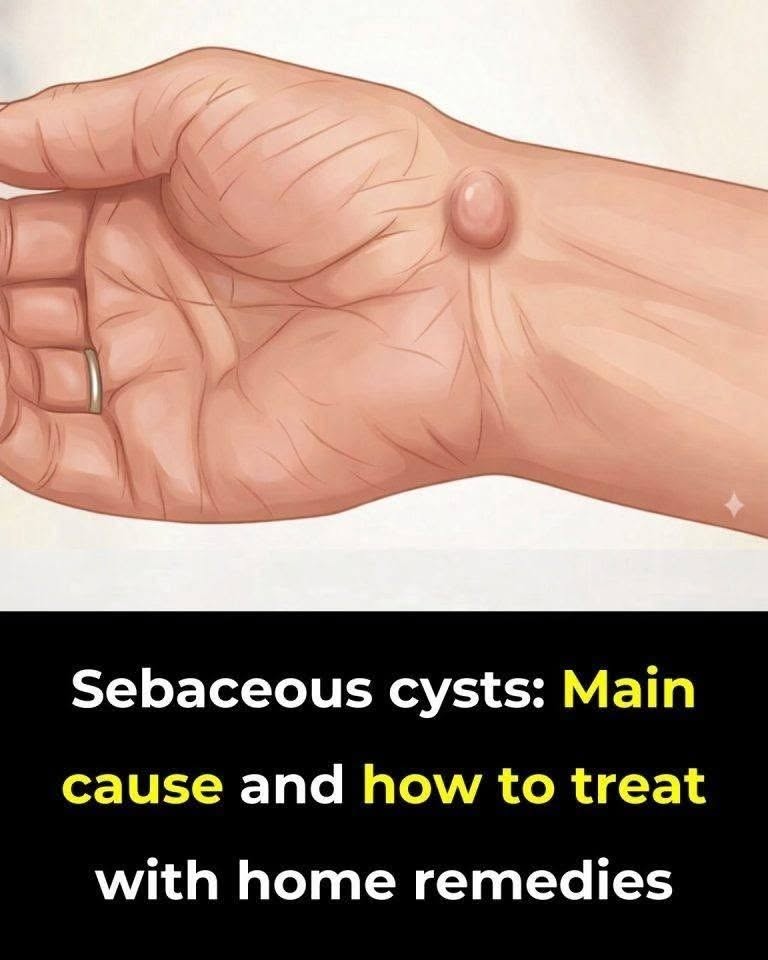
Sebaceous cysts explained: causes and what you can do at home
The term “sebaceous cyst” is commonly used for small lumps under the skin, but many of these are actually epidermoid cysts (cysts filled with keratin, a skin protein). They are usually benign (not cancerous) and often appear as slow-growing, round bumps under the skin.
Common causes
A cyst may form when:
- A hair follicle or skin pore becomes blocked
- Skin cells grow inward instead of shedding normally
- Oil glands or skin structures become trapped or irritated
- Skin injury or inflammation damages the normal pathway of skin cells
They commonly occur on the:
- Face
- Scalp
- Neck
- Back
- Chest
- Shoulders
What you can do at home
For a small, painless cyst:
- Do not squeeze or pop it — this can cause infection, inflammation, or scarring.
- Apply a warm, moist compress for 10–15 minutes a few times daily. This may help relieve discomfort and encourage natural drainage in some cases.
- Keep the area clean and avoid irritating products.
- Avoid repeatedly touching or pressing the lump.
What does not reliably remove a cyst
Home remedies such as applying oils, vinegar, garlic, or other substances are not proven to dissolve cysts and may irritate the skin.
When to see a healthcare professional
Get it checked if the cyst:
- Becomes painful, red, hot, or swollen
- Starts draining pus or has a bad smell
- Grows quickly
- Keeps coming back
- Is on the face or another area where scarring is a concern
A healthcare professional can remove the entire cyst wall if needed; simply draining it may not prevent it from returning.
If you describe the lump (where it is, size, how long it has been there, whether it hurts, and whether it has a small opening or “dot” on top), I can help you understand what it may be.
