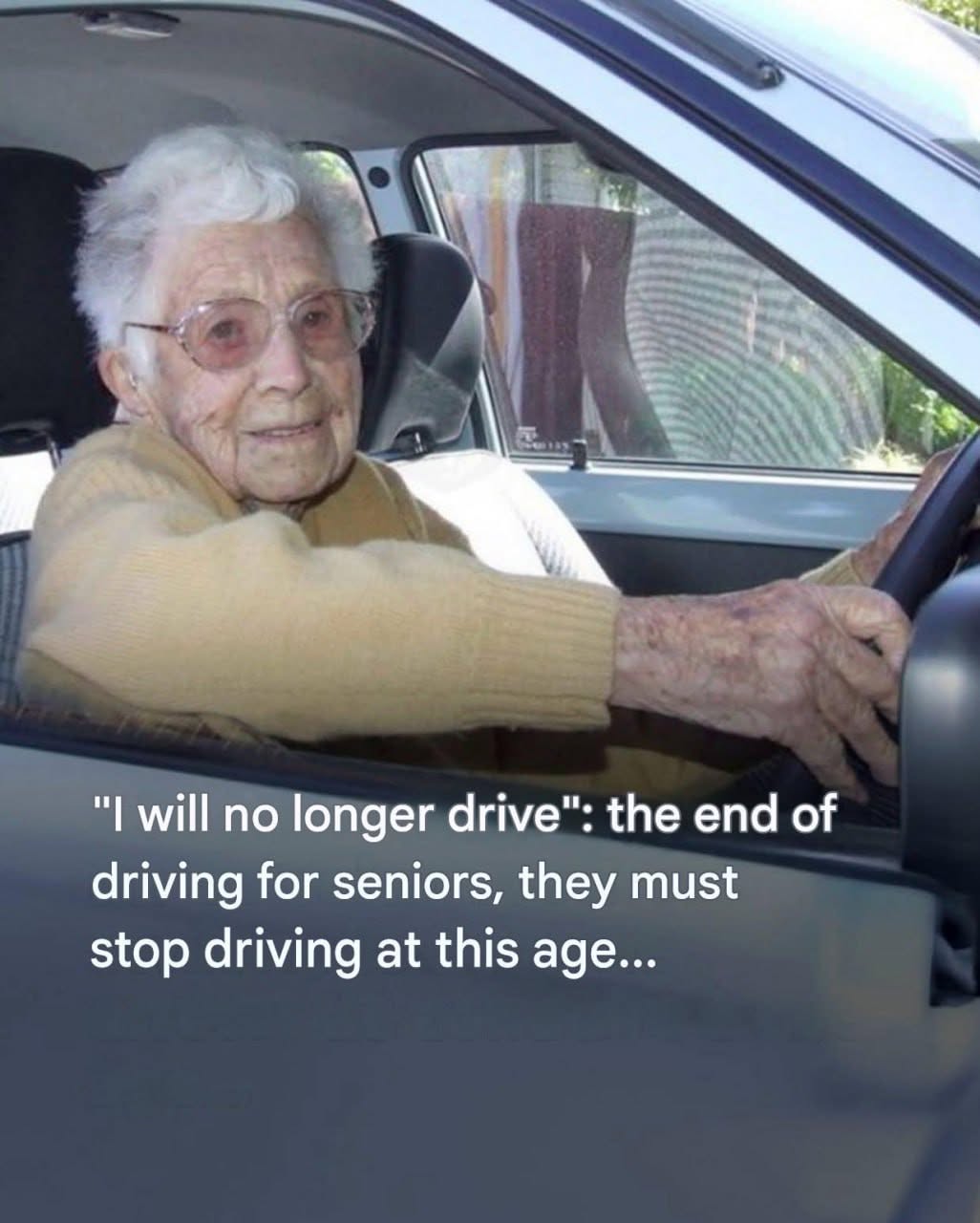
Senior Driving Licence: A Complete Guide to Obligations and Aptitude Tests for Older Drivers
Driving provides independence and freedom, but as people age, changes in vision, hearing, reaction time, and physical abilities can affect driving safety. Many older adults continue to drive safely for many years, but regular self-assessment and licence requirements can help ensure that drivers remain capable behind the wheel.
The rules for senior driving licences vary by country and region, but many places introduce additional requirements as drivers get older.
Why Senior Driving Assessments Exist
Age alone does not determine whether someone is a safe driver. The purpose of senior driving assessments is to identify changes that may affect driving ability, such as:
- Reduced vision or difficulty seeing at night
- Slower reaction times
- Problems with attention or concentration
- Reduced flexibility or mobility
- Medical conditions that may affect alertness or coordination
- Medication side effects
These checks are designed to support safer driving, not automatically remove driving privileges.
Common Licence Renewal Requirements for Older Drivers
Depending on local regulations, older drivers may be required to complete:
1. Vision Tests
A vision test may check:
- Visual sharpness
- Peripheral vision
- Ability to recognize road signs
- Ability to see clearly in different lighting conditions
Corrective glasses or contact lenses may allow many drivers to continue driving safely.
2. Medical Declarations or Examinations
Some jurisdictions require drivers to provide health information or complete a medical assessment. Doctors may evaluate conditions such as:
- Heart disease
- Diabetes complications
- Neurological conditions
- Seizure disorders
- Cognitive changes
- Medications that affect alertness
3. Knowledge or Written Tests
Some older drivers may be asked to complete a written or computerized test covering:
- Traffic laws
- Road signs
- Safe driving practices
4. Practical Driving Assessments
A road test or driving evaluation may assess:
- Lane control
- Turning and parking skills
- Observation habits
- Reaction to traffic situations
- Following road rules
Signs That Driving Skills May Need Review
Older drivers and family members should pay attention to warning signs such as:
- Frequent near misses or minor accidents
- Difficulty judging distances or speed
- Confusion at intersections
- Getting lost on familiar routes
- Delayed reactions to sudden hazards
- Trouble noticing pedestrians, cyclists, or road signs
- Other drivers frequently honking or reacting to mistakes
Tips for Staying Safe on the Road
Many older drivers can improve safety by making small adjustments:
Maintain Regular Health Checks
Regular eye exams, hearing checks, and medical reviews can help identify issues early.
Review Medications
Some medicines can cause:
- Drowsiness
- Dizziness
- Slower reactions
Discuss possible driving effects with a healthcare professional.
Adjust Driving Habits
Helpful changes may include:
- Driving during daylight hours
- Avoiding heavy traffic
- Avoiding unfamiliar roads when possible
- Leaving extra space between vehicles
- Planning routes ahead of time
Consider Vehicle Adjustments
Features such as:
- Larger mirrors
- Blind-spot monitoring
- Automatic emergency braking
- Comfortable seating adjustments
may improve driving confidence and safety.
Preparing for an Aptitude or Driving Test
If you need to complete a senior driving assessment:
- Review current traffic laws.
- Practice common driving situations.
- Check that your vehicle is in good condition.
- Wear your usual glasses or hearing aids if required.
- Get comfortable with the route and vehicle controls.
When It May Be Time to Consider Alternatives
Choosing to reduce or stop driving can be difficult, but safety is the priority. Alternatives may include:
- Family transportation
- Public transit
- Community transport services
- Ride-sharing options
- Local senior mobility programs
The Bottom Line
A senior driving licence assessment is not about age alone—it is about ensuring that every driver has the vision, physical ability, judgment, and skills needed for safe driving. With regular health checks, honest self-assessment, and appropriate adjustments, many older adults can continue driving safely and confidently.
