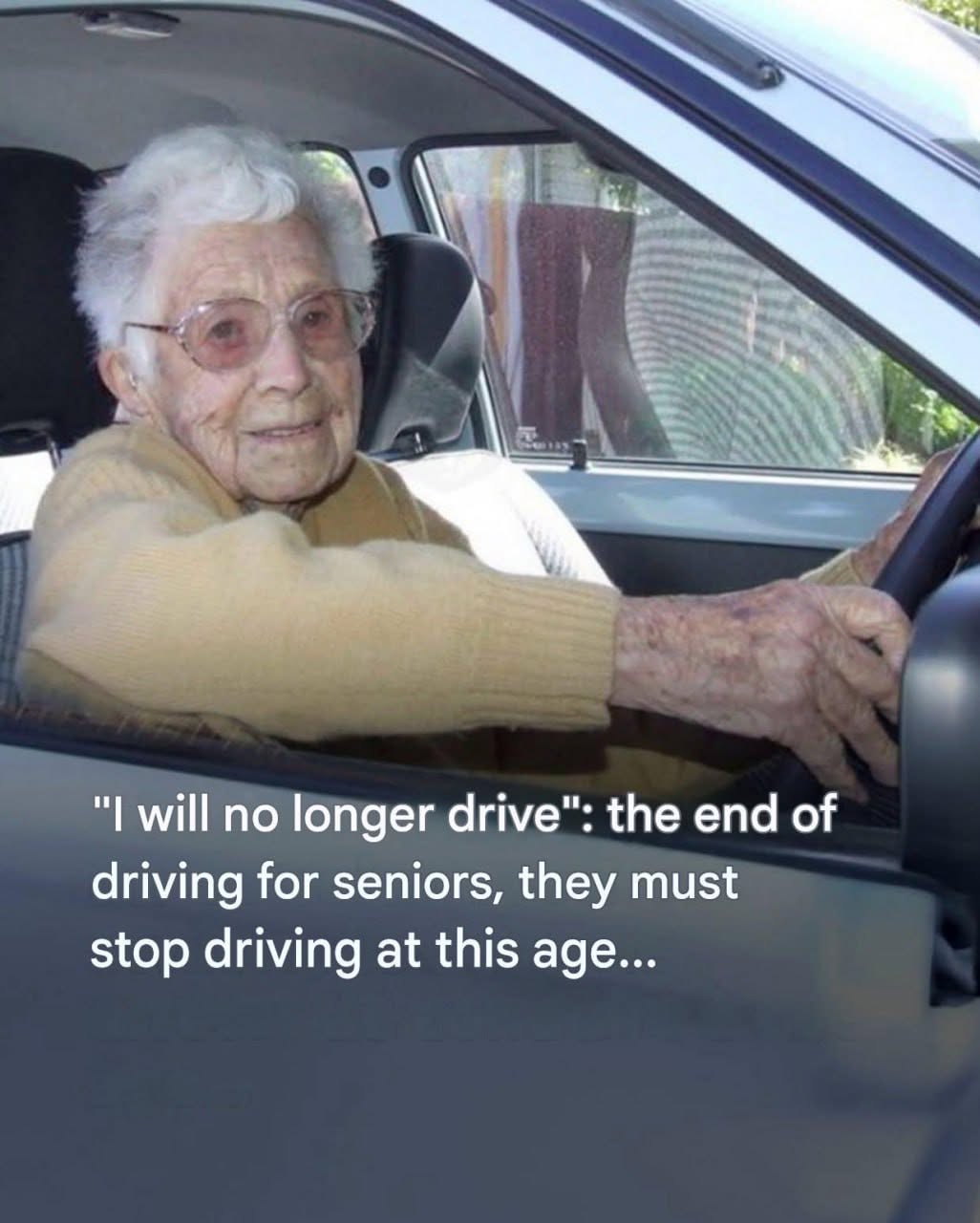
Senior Driving Licence: A Complete Guide to Obligations and Aptitude Tests for Older Drivers
Driving rules for older adults vary widely by country and region. In most places, there is no automatic requirement to stop driving at a certain age. Instead, licensing authorities often focus on whether a driver can safely operate a vehicle through health checks, vision tests, and, in some cases, driving assessments.
1. Licence renewal requirements for older drivers
Many jurisdictions introduce additional steps as drivers get older, such as:
- More frequent licence renewals
- Vision screening
- Medical declarations or medical certificates
- Cognitive or functional assessments in some cases
- On-road driving evaluations if concerns arise
The age when extra requirements begin differs by location.
2. Vision requirements
Good vision is essential for safe driving. Older drivers may be asked to demonstrate:
- Ability to read road signs at a required distance
- Adequate peripheral vision
- Proper correction with glasses or contact lenses if needed
Conditions such as cataracts, glaucoma, or macular degeneration may affect driving ability.
3. Medical and health considerations
Some health issues can affect driving safety, including:
- Reduced mobility or slower reaction time
- Hearing difficulties
- Neurological conditions
- Diabetes-related vision changes or episodes of low blood sugar
- Medication side effects (such as drowsiness or dizziness)
A doctor may recommend adjustments, treatment, or restrictions if needed.
4. Aptitude and driving tests
A senior driving assessment may include:
Knowledge test
- Traffic rules
- Road signs
- Safe driving practices
Vision test
- Visual acuity and field of vision
Cognitive screening (where required)
- Memory
- Attention
- Problem-solving ability
Practical driving test
An evaluator may look at:
- Lane control
- Turning and merging
- Speed management
- Reaction to traffic situations
- Parking and vehicle control
5. Signs that a driving evaluation may be helpful
A driver or family member may consider an assessment if there are:
- Frequent near-misses or minor crashes
- Getting lost in familiar areas
- Confusion at intersections
- Difficulty judging distance or speed
- Delayed reactions
- Trouble managing pedals, steering, or vehicle controls
6. How older drivers can stay safer
Many older adults continue driving safely by:
- Having regular eye and medical checkups
- Avoiding driving when tired or unwell
- Planning routes in advance
- Driving in daylight and good weather when possible
- Avoiding heavy traffic if it feels challenging
- Reviewing driving skills through refresher courses
Bottom line
A senior driving licence is generally about fitness to drive, not age alone. Older drivers who maintain good vision, health, judgment, and driving skills can often continue driving safely. Requirements depend on the rules of the specific country, state, or province.
If you tell me your country or region, I can provide the exact licence renewal rules, age thresholds, and required tests that apply there.
