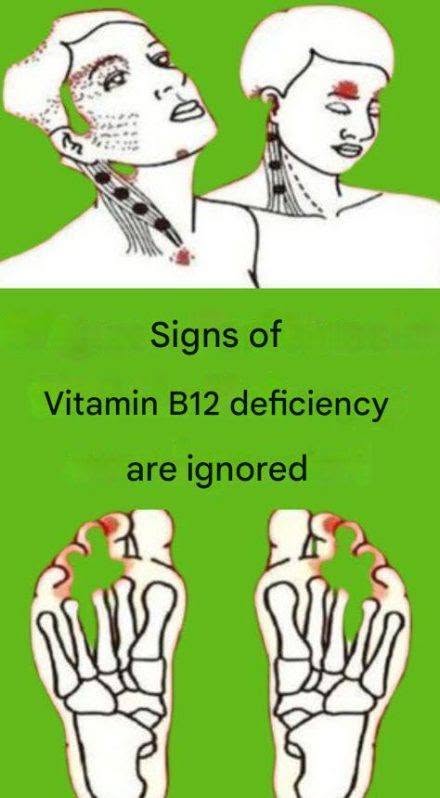
Vitamin B12 deficiency can develop slowly, and some symptoms may be mistaken for stress, aging, poor sleep, or other health issues. Common signs that are sometimes overlooked include:
- Persistent tiredness or weakness
- Feeling unusually fatigued even after enough rest.
- Tingling or numbness
- “Pins and needles” sensations, especially in the hands or feet.
- Balance problems
- Feeling unsteady, clumsy, or having difficulty walking.
- Brain fog
- Trouble concentrating, forgetfulness, or feeling mentally slowed down.
- Mood changes
- Irritability, low mood, or symptoms that resemble depression or anxiety.
- Pale skin or a yellowish tint
- Can occur with anemia related to B12 deficiency.
- Sore, red, or swollen tongue
- Sometimes with mouth ulcers or changes in taste.
- Shortness of breath or dizziness
- Especially if anemia is present.
- Vision changes (rare)
- Nerve-related vision problems can occur in severe cases.
- Reduced appetite or weight loss
- More likely with significant deficiency.
People at higher risk include:
- Adults over age 60
- People with low intake of animal products (unless taking fortified foods/supplements)
- Those with absorption problems (such as certain stomach or intestinal conditions)
- People taking medications such as metformin or long-term acid-reducing medicines (for example, proton pump inhibitors)
What to do
A blood test can check B12 status. If deficiency is suspected, clinicians may also look at related markers such as methylmalonic acid (MMA) and homocysteine, depending on the situation.
Seek medical advice sooner if there is new numbness, trouble walking, confusion, or significant weakness, because nerve-related effects can become harder to reverse if a severe deficiency continues for a long time.
