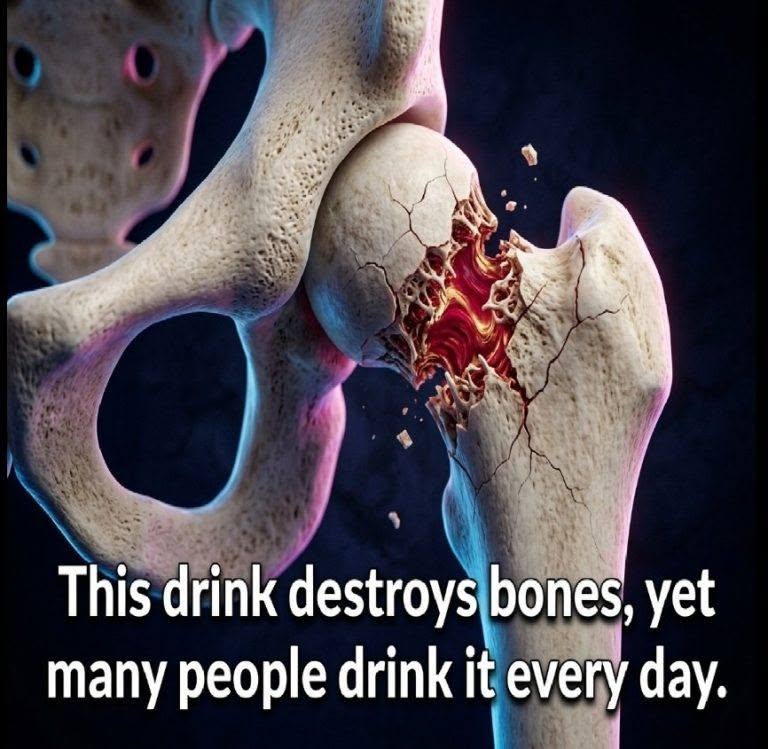
Certain drinks may contribute to poorer bone health when consumed frequently, mainly by affecting calcium balance, bone mineral density, or overall nutrition. Health experts commonly point to these five:
- Cola and other dark sodas
- High intake has been associated in some studies with lower bone mineral density, especially when soda replaces calcium-rich drinks like milk.
- Possible contributors include phosphoric acid, excess sugar, and displacement of nutrient-rich beverages.
- Alcoholic beverages (especially heavy alcohol use)
- Excess alcohol can interfere with calcium absorption, reduce vitamin D activity, and affect hormones involved in bone formation.
- Chronic heavy drinking is linked with a higher risk of osteoporosis and fractures.
- Energy drinks
- Many contain high caffeine levels and large amounts of sugar.
- Very high caffeine intake may slightly reduce calcium retention, particularly if calcium intake is already low.
- Sugary soft drinks (including non-cola sodas)
- Frequent consumption can contribute to diets low in calcium, protein, and other nutrients important for bones.
- High sugar intake is also associated with poorer overall diet quality.
- Excessive amounts of caffeinated drinks
- Large amounts of caffeine from drinks such as coffee, tea, or caffeinated sodas may modestly affect calcium balance.
- For most people, moderate caffeine intake is not considered harmful when calcium intake is adequate.
Better choices for bone health:
- Milk or fortified plant milks (calcium + vitamin D)
- Water
- Fortified smoothies
- Calcium-rich beverages with adequate protein
A key point from bone-health researchers: these drinks are usually a concern because of high, frequent consumption and what they replace in the diet, not because an occasional soda, coffee, or alcoholic drink will damage bones by itself.
