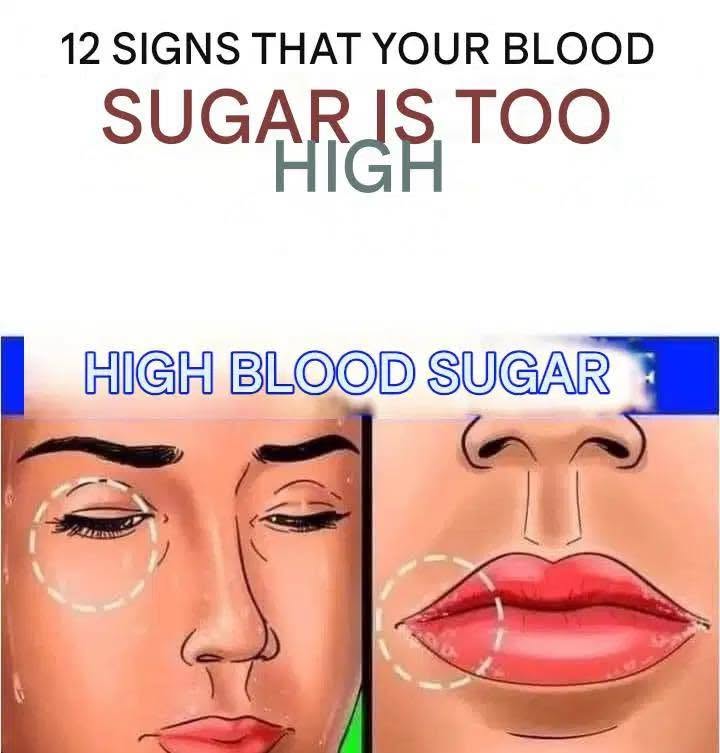
High blood sugar (hyperglycemia) can cause a range of symptoms, although some people have few or no symptoms, especially early on. These signs can also have other causes, so testing is needed to confirm whether blood sugar is high.
Here are 12 possible symptoms associated with high blood sugar:
- Increased thirst
- Frequent urination, especially at night
- Increased hunger
- Fatigue or low energy
- Blurred vision
- Unexplained weight loss (more common with untreated diabetes)
- Slow-healing cuts or sores
- Frequent infections, such as skin, gum, or urinary tract infections
- Dry mouth
- Dry or itchy skin
- Tingling or numbness in the hands or feet (usually develops over time with chronically elevated blood sugar)
- Difficulty concentrating or feeling mentally foggy
When to seek urgent medical care
Get immediate medical attention if high blood sugar is accompanied by:
- Severe vomiting
- Deep or rapid breathing
- Confusion or unusual drowsiness
- Severe dehydration
- Fruity-smelling breath
These symptoms can indicate a serious complication, such as diabetic ketoacidosis or a hyperosmolar hyperglycemic state, which requires emergency treatment.
What to do if you think your blood sugar is high
- If you have diabetes, check your blood glucose according to your treatment plan.
- Drink water unless a healthcare professional has advised you to restrict fluids.
- Take your diabetes medications as prescribed.
- If you don’t have diabetes but have persistent symptoms, arrange a medical evaluation. A blood glucose test or an HbA1c test can help determine whether diabetes or prediabetes is present.
Having one or more of these symptoms does not necessarily mean you have high blood sugar, but they are good reasons to discuss your symptoms with a healthcare professional, especially if they are persistent or worsening.
