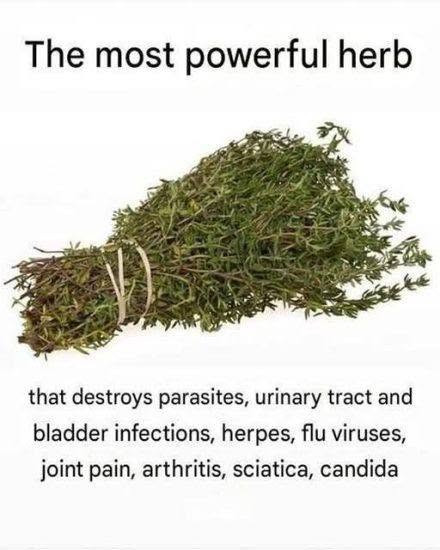
The claim that there is “one most potent herb that destroys parasites, urinary tract infections, bladder infections, herpes, and flu viruses” is not supported by strong scientific evidence. No single herb has been proven to reliably eliminate all of these conditions, and some infections require specific medical treatments.
However, several herbs and natural compounds have been studied for limited supportive effects:
1. Garlic
- Contains compounds such as allicin, which show antibacterial and antiviral activity in laboratory studies.
- It may support general immune health, but it should not replace antibiotics or antiviral medicines when those are needed.
2. Cranberry
- Studied mainly for helping reduce the risk of some recurrent urinary tract infections (UTIs) by making it harder for certain bacteria to attach to urinary tract walls.
- It does not cure an active UTI.
3. Goldenseal
- Contains berberine, a compound with antimicrobial effects in laboratory research.
- Evidence for treating infections in humans is limited, and it can interact with medications.
4. Oregano oil
- Has antimicrobial activity in laboratory studies.
- Safe use, dosing, and effectiveness for treating infections in people are not well established.
5. Wormwood and other “parasite cleanse” herbs
- Some compounds have been studied against certain parasites, but many commercial parasite cleanses lack good evidence and may have side effects.
Important:
- UTIs and bladder infections can sometimes spread to the kidneys if untreated and may require antibiotics.
- Herpes viruses are controlled with proven antiviral medications; herbs have not been shown to eradicate herpes.
- Influenza (flu) may require antiviral treatment in higher-risk people.
If someone has symptoms such as burning urination, fever, back/flank pain, blood in urine, severe weakness, or worsening symptoms, medical evaluation is important.
Natural products can sometimes complement healthy habits, but they should not be relied on as a replacement for proven treatments for infections.
