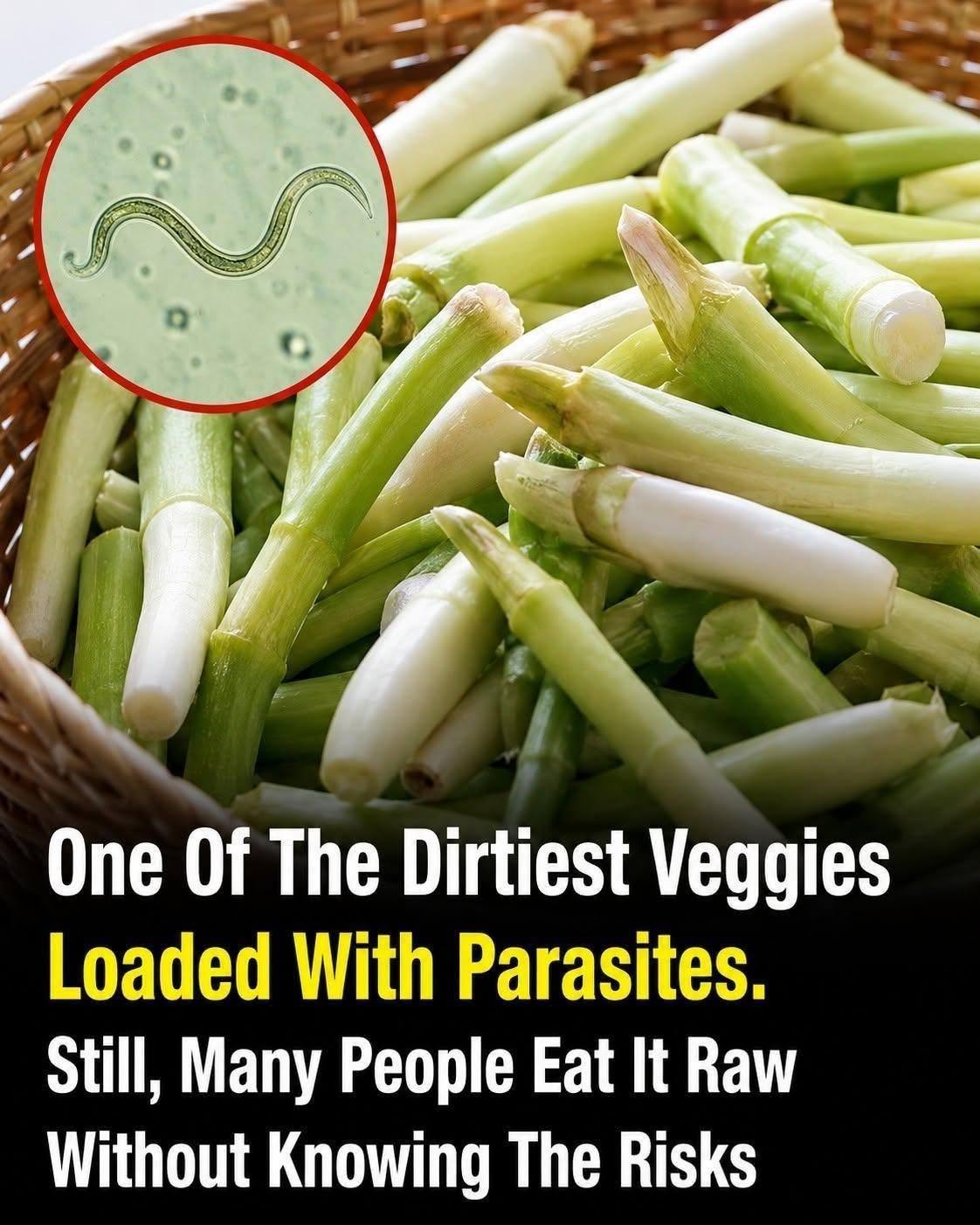
The Vegetable Most Likely To Carry Parasites? Why Raw Produce Safety Matters
The claim that one specific vegetable is “the most likely to carry parasites” is misleading. No single vegetable is guaranteed to contain parasites more than all others. The risk depends on factors such as growing conditions, contaminated water or soil, animal waste exposure, harvesting, handling, and washing practices.
However, some vegetables that are frequently eaten raw and grow close to the ground can require extra care because they may carry microorganisms if contaminated.
Raw Vegetables That Need Careful Washing
1. Leafy greens (lettuce, spinach, and similar greens)
Leafy vegetables have many folds and surfaces where soil and contaminants can cling. Since they are often eaten raw, proper washing is important.
2. Fresh herbs (such as cilantro and parsley)
Herbs are often difficult to clean thoroughly because of their small leaves and delicate structure.
3. Root vegetables (such as carrots and radishes)
Because they grow in soil, they should be washed well and scrubbed before eating raw.
What Parasites or Germs Can Be Associated With Produce?
Contaminated produce can sometimes carry organisms such as:
- Giardia
- Cryptosporidium
- Certain types of bacteria, including those that cause foodborne illness
These risks are generally uncommon when food is grown, handled, and prepared safely.
How to Make Raw Vegetables Safer
✅ Wash your hands before preparing food
✅ Rinse vegetables under clean running water
✅ Rub firm produce while washing
✅ Remove damaged or bruised parts
✅ Keep raw produce away from raw meat and seafood
✅ Refrigerate cut vegetables promptly
✅ Use extra caution if you are pregnant, elderly, or have a weakened immune system
Should You Stop Eating Raw Vegetables?
No. Raw vegetables can be an important part of a healthy diet. The key is proper cleaning and safe food handling, not avoiding all raw produce.
Bottom line: The biggest risk factor is not a particular vegetable—it is whether the produce has been contaminated and how carefully it is washed and prepared.
