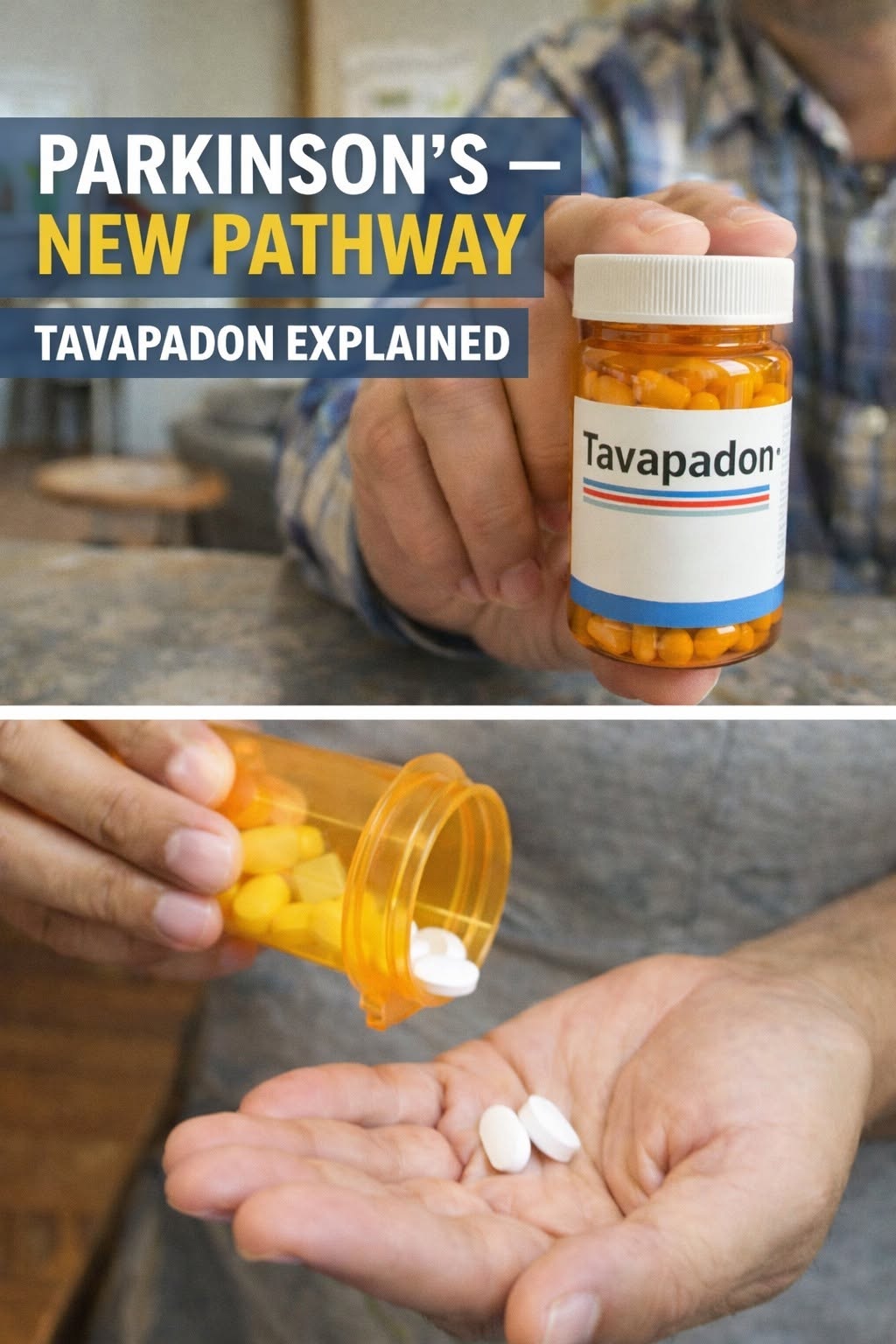
What Is Tavapadon? Understanding This New Approach for Managing Parkinson’s Motor Symptoms
Tavapadon is an investigational medication designed to help manage motor symptoms of Parkinson’s disease, such as tremors, stiffness, and slowed movement. It belongs to a newer class of drugs called selective dopamine D1 receptor agonists.
How tavapadon works
Parkinson’s disease involves the loss of dopamine-producing nerve cells in the brain. Dopamine helps control movement. Tavapadon works by stimulating dopamine D1 receptors, which are involved in movement control.
Unlike traditional dopamine replacement approaches, tavapadon is designed to more directly target a specific dopamine pathway.
Potential benefits for Parkinson’s symptoms
Clinical studies have evaluated tavapadon for symptoms including:
- Slowness of movement (bradykinesia)
- Muscle stiffness (rigidity)
- Tremor
- Difficulties with daily movement activities
Research has looked at tavapadon both as:
- A treatment used on its own in some people with early Parkinson’s disease
- An add-on treatment alongside other Parkinson’s medications in some cases
Possible side effects
As with other medications that affect dopamine pathways, possible side effects may include:
- Nausea
- Dizziness
- Sleepiness
- Fatigue
- Low blood pressure when standing (orthostatic hypotension)
- Hallucinations or changes in behavior in some people
Doctors consider a person’s age, other medications, medical history, and symptoms before choosing treatment.
Important to know
Tavapadon is not a cure for Parkinson’s disease. Treatments for Parkinson’s aim to improve symptoms and quality of life. Medication choices are individualized, and people with Parkinson’s should discuss new treatment options with their neurologist.
If you or someone you know has Parkinson’s disease, a specialist can help determine whether a medication like tavapadon fits their specific situation.
