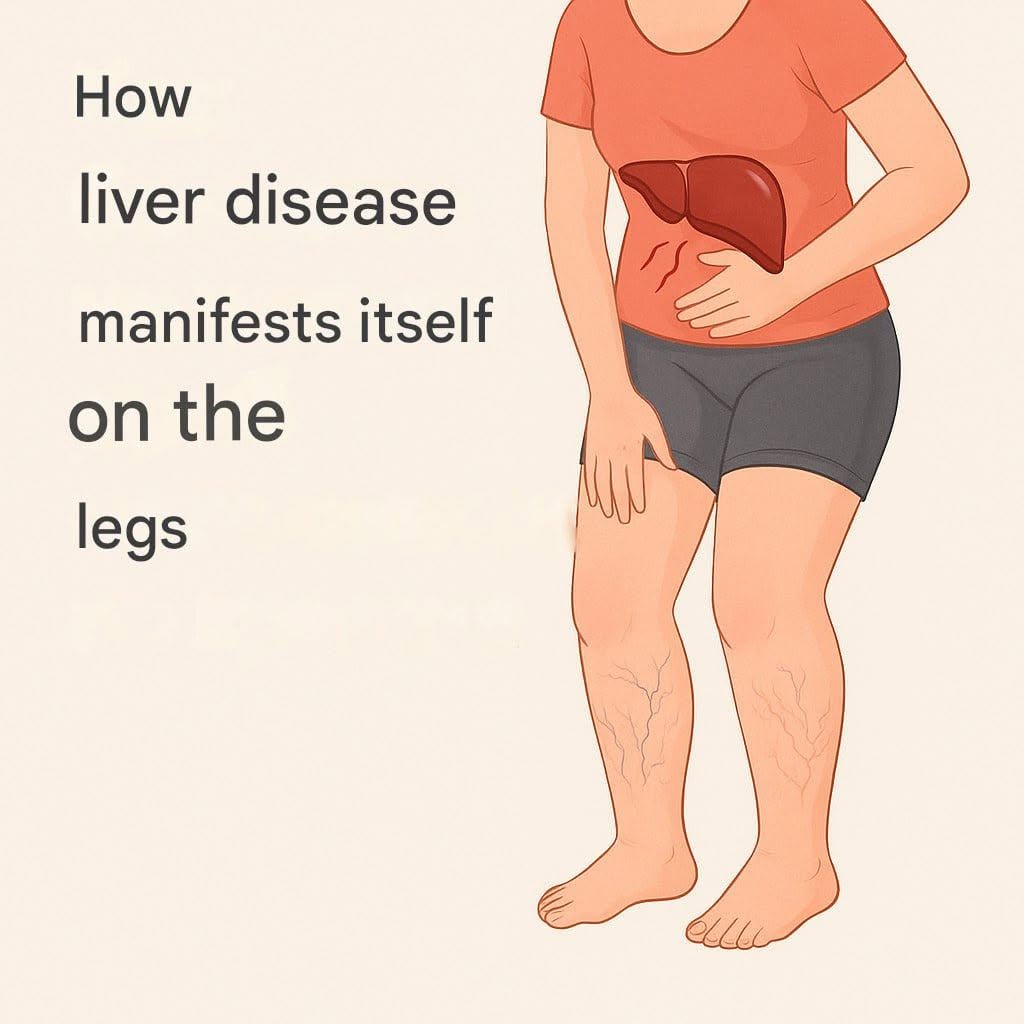
“Your Legs Are Screaming HELP!”: 5 Leg Signs That May Be Linked to Liver Problems
Your legs can sometimes show clues about what is happening elsewhere in the body, including the liver. However, leg symptoms are not a reliable way to diagnose liver disease on their own—many common conditions can cause similar problems.
The liver performs important jobs, including processing nutrients, making proteins, and helping regulate fluid balance. When serious liver disease develops, certain changes may appear.
1. Swelling in the legs and ankles (edema)
Fluid buildup in the lower legs can occur in advanced liver disease.
Possible signs:
- Puffy ankles
- Tight shoes or socks leaving deep marks
- Swelling that worsens later in the day
Other causes include heart disease, kidney problems, vein issues, and certain medications.
2. Muscle loss or weakness
Advanced liver disease can be associated with loss of muscle mass, which may lead to:
- Weak legs
- Reduced strength
- Difficulty climbing stairs or standing up
3. Leg cramps or discomfort
Some people with liver conditions report muscle cramps, possibly related to changes in fluid balance or electrolytes. However, cramps are also very common in people without liver disease.
4. Itching (including on the legs)
Liver and bile-related conditions can sometimes cause widespread itching.
It may:
- Occur without a rash
- Be worse at night
- Affect the arms, legs, or entire body
5. Easy bruising or bleeding
A damaged liver may produce fewer proteins needed for normal blood clotting.
Possible signs:
- Bruising more easily than usual
- Longer bleeding from small cuts
- Frequent nosebleeds
Other Liver Warning Signs to Know
Possible signs of significant liver problems can include:
- Yellowing of the skin or eyes (jaundice)
- Dark urine
- Pale stools
- Persistent fatigue
- Loss of appetite
- Nausea
- Confusion or unusual sleepiness (in severe cases)
When to Seek Medical Advice
Talk to a healthcare professional if you have:
- New unexplained swelling in both legs
- Yellow skin or eyes
- Severe abdominal swelling
- Confusion
- Vomiting blood or black stools
- Rapidly worsening symptoms
Bottom line
Leg changes can sometimes occur with liver disease, especially in more advanced cases, but most leg problems are caused by many other conditions. If you notice persistent or unusual changes, a medical evaluation and appropriate blood tests are the best way to understand the cause.
